- Home
- Fire Damage Cleaning
- Sewage Cleanup
Sewage Backup in Your Property? We Clean It Fast
Sewage Cleanup in Merseyside
Emergency Sewage Cleaning Service for Homes and Businesses
Sewage Removal for Houses, Flats, Shops and Offices
- Unmarked vehicles
- Fully insured
- Free, no obligation quote
If you need sewage cleanup in Merseyside, No Mess Too Much is ready to help. We deal with sewage spills, sewage backup and every kind of sewage leak in homes and businesses across Liverpool, Wirral, Sefton, St Helens and Knowsley. Our sewage cleanup services cover the whole job, from the first call to the final sign-off.
Raw sewage is not a normal mess. It carries harmful bacteria and spreads fast through floors, walls and air. If you need sewage clean up today, do not wait and do not handle it alone.
We bring the right kit and personal protective equipment (PPE), take the waste away and leave your property safe. Fill in our contact form and we will give you a free quote.
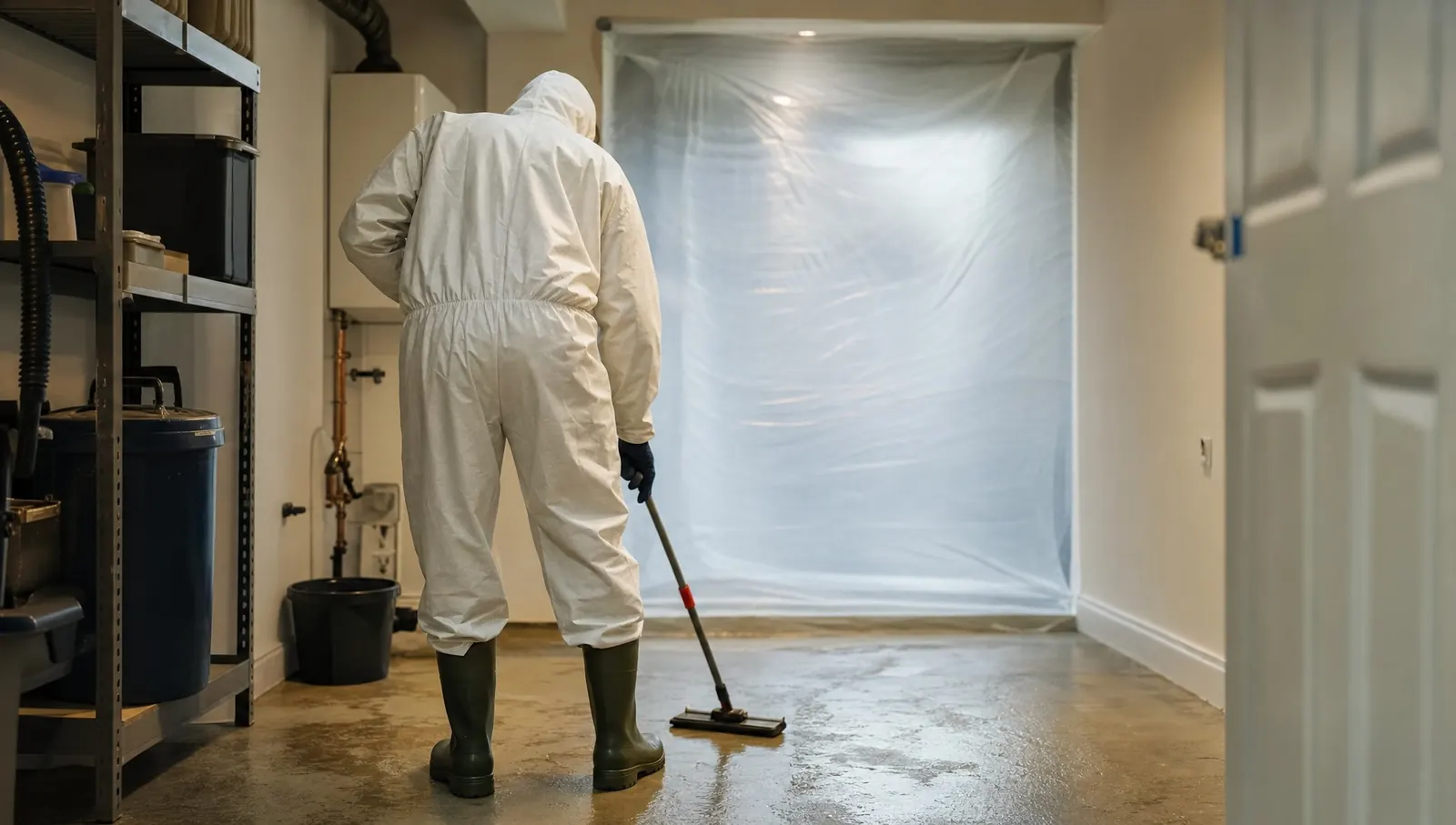
 Safe cleanup
What Does Our Sewage Cleaning Service Cover, and Who Is It For?
What Happens During a Sewage Clean With Us
+Every sewage clean follows one rule: make it safe, then make it spotless. We assess the damage, contain it and pump out the waste with industrial pumping equipment, then disinfect and dry the space. Sewage spills need swift, methodical work to limit contamination.
We are a specialist cleaning company, so this is what we do every week. You get a full sewage cleaning service, including human waste from toilet overflows and every emergency sewage call-out. We also handle minor spills, because they grow fast and can leave harmful pathogens behind.
Homes and Businesses We Help Across Merseyside
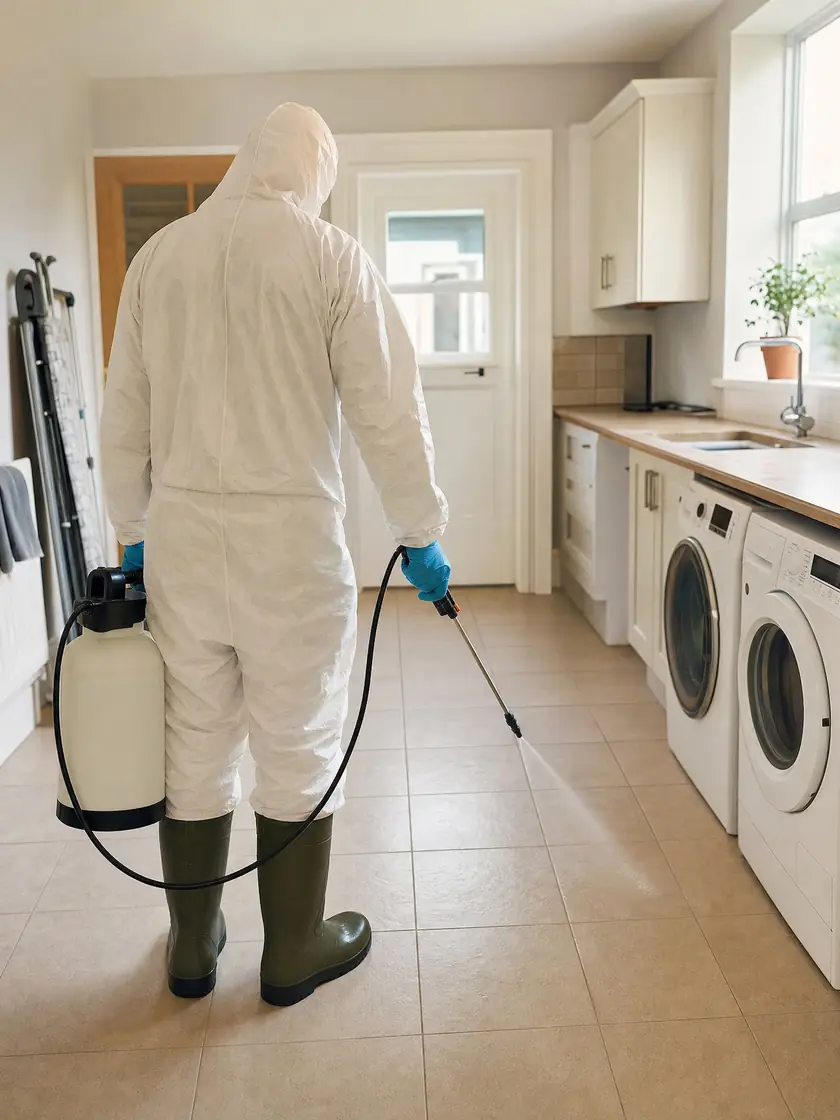
+Our sewage cleanup work covers both residential properties and commercial properties. Something blocks, something backs up, and waste comes back where it should never be.
Here are some typical places we get called to:
- Terraced and semi-detached houses where a toilet or shower floods after a blocked drain
- Flats where a shared pipe backs up into a ground floor
- Period homes with old clay pipes that crack or collapse
- Restaurants, takeaways and pubs where grease blocks the drains
- Shops, offices and clinics that need to reopen fast
- Warehouses and factories hit by a pump failure or a burst pipe
Landlords call us between tenants to clean up before the next move-in. Homeowners call us at night, in a panic. Business owners call because one sewage problem can close the doors.
 Who it is for
Why Does Sewage Backup Keep Happening Across Merseyside?
Combined Sewers and Heavy Rainfall Overload Local Drains
+Merseyside has an unusually high share of combined sewers. More than 80% of the local network carries rainwater and sewage in the same pipes, against an industry average of about 33%. When heavy rainfall arrives, the drainage systems fill up and sewage water has nowhere to go but back.
Bootle and Seaforth saw this on 30 September 2024. Authorities received 62 flood reports, and 37 were internal property flooding, almost 60% of the total. Deysbrook Lane in West Derby shows the same pattern, with 10 flooding events between 2010 and 2024 in a council investigation published in February 2025.
The Mersey Overflows Show How Hard the Network Works
+In 2025, an overflow at Liverpool Wastewater Treatment Works recorded 118 spills, about 563 hours in total, which is more than 23 days. One at Birkenhead recorded 105 spills over roughly 1,273 hours, the same as 53 days. A Wallasey pumping station overflow logged 164 spills, around 769 hours.
These overflows discharge into the river, not into homes. But they show a network under constant strain, and strain is when sewage spills reach buildings.
Across the North West, the network had 17,819 blockages in 2024/25, almost 49 every day. It also recorded 1,218 internal sewer flooding incidents that year. Internal incidents fell by 42% in 2025/26, but sewage still gets into buildings, gardens and yards. Across England, 2,666 water-industry pollution incidents were recorded in 2025, and about 83% came from sewerage assets.
Blocked Drains, Tree Roots and Faulty Plumbing Cause Spills Too
+Local sewer flooding also comes from blockages, collapsed pipes, mechanical failures and overloaded combined sewers. Any of these can push wastewater back through drains, toilets and manholes.
At property level, blocked drains are a common cause of sewage spills. Tree roots crack underground pipes, and faulty plumbing leads to a sewage leak behind walls or under floors. Improper disposal of wipes, nappies and cooking fat makes it worse.
Food businesses feel this most. More than 1,100 food-service businesses in the North West have been given grease-removal equipment since 2019 to stop fat setting hard inside sewers. About 1.27 billion litres of wastewater move through roughly 72,000 kilometres of pipes every day.
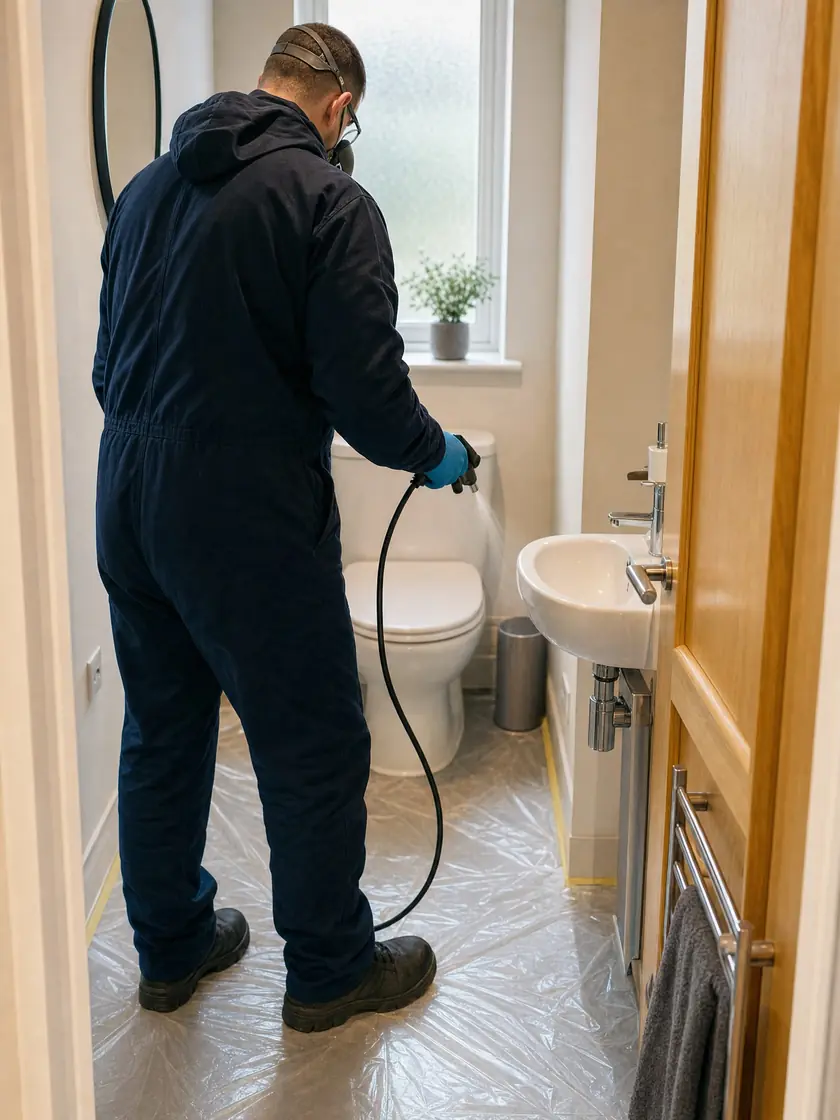
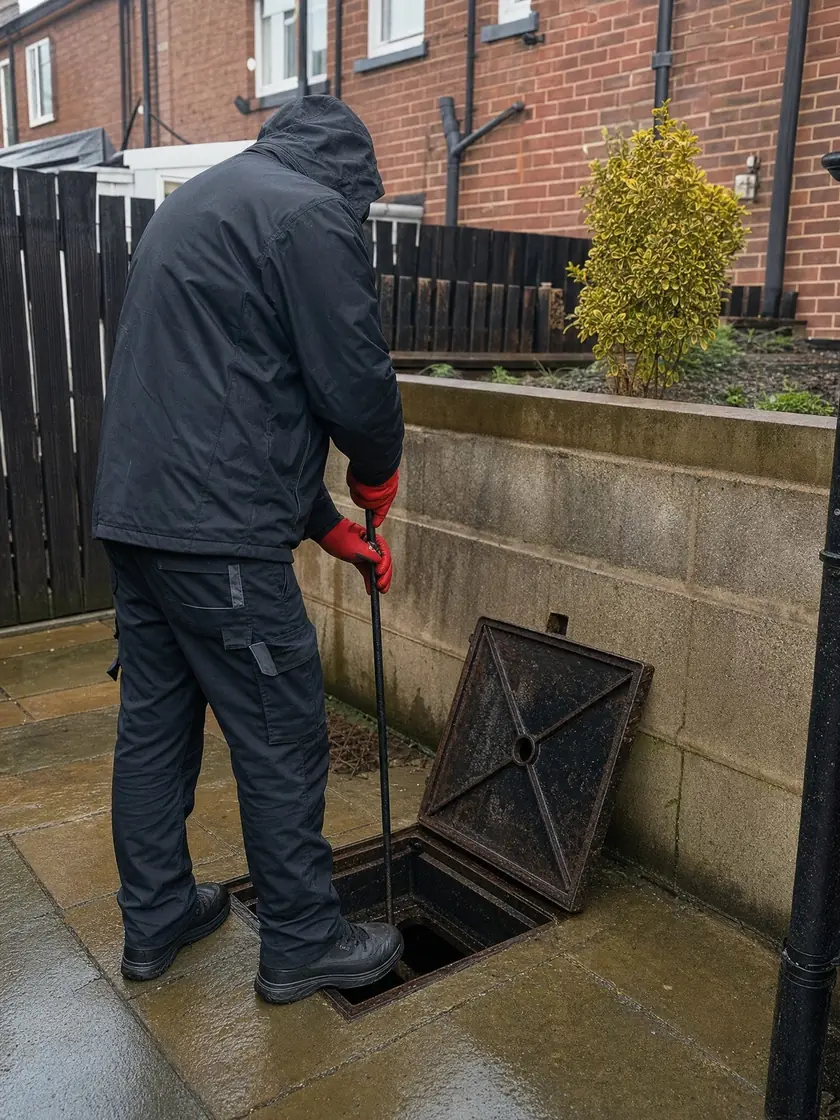 Why backups happen
What Are the Health Risks of Sewage Exposure?
Raw Sewage Carries Harmful Bacteria, Viruses and Parasites
+Sewage spills are classed as Category 3 biohazards. Raw sewage can hold harmful bacteria, harmful viruses and parasites, and sewage contamination leaves harmful pathogens on every surface it touches.
Sewage exposure can cause E. coli infection, hepatitis A, gastroenteritis, Weil's disease, and skin and eye infections. These are serious health risks, and some can lead to serious illness.
Some People Face a Higher Risk Than Others
+Children, older adults and anyone with weakened immune systems are hit hardest. Direct contact with contaminated water is the main route, but airborne contaminants and harmful gases can also reach people in closed rooms. Prolonged exposure raises the odds of getting ill.
Mould and Structural Damage Start Within Days
+Bacteria in sewage multiply fast when left untreated. Mould can begin to grow within 24 to 48 hours of sewage exposure, and after that the smell gets worse.
Untreated sewage also causes significant structural damage. Sewage water soaks into plaster, timber and floor screed, and can reach electrical wiring. Pollutants also cling to floors, walls and furniture long after the visible mess has gone, so removing standing water is only the first stage of proper sewage cleanup.
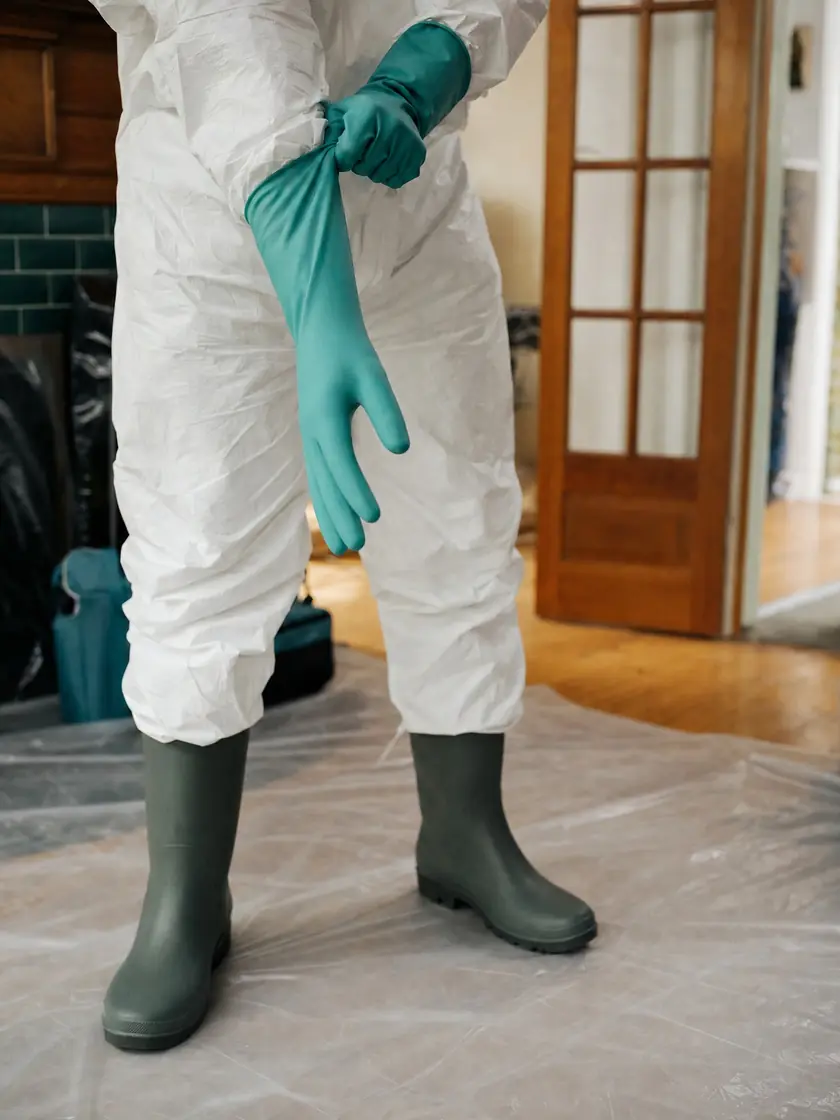 Health risks
What Should You Do While You Wait for Us to Arrive?
Stay Safe and Keep the Spill From Spreading
+Keep children, pets and staff out of the affected area, and treat any flood water as contaminated water too. Avoid contact with the sewage water, do not walk through it, and wash your hands well if you touch anything.
Watch for electrical hazards. If water is near sockets, stay out of the room and tell us when you call. Open a window for fresh air if it is safe, and follow these safety precautions until we arrive. Please do not try to clean up the spill yourself.
Why DIY Methods and Pressure Washers Make Sewage Spills Worse
+DIY methods often spread the problem. Pressure washing blasts contaminated droplets into the air, which makes exposure worse. A mop and bucket push waste into cracks and carpet.
Cleaning sewage yourself also means handling hazardous waste with no protection, which adds more health hazards, so leave the clean up to us.
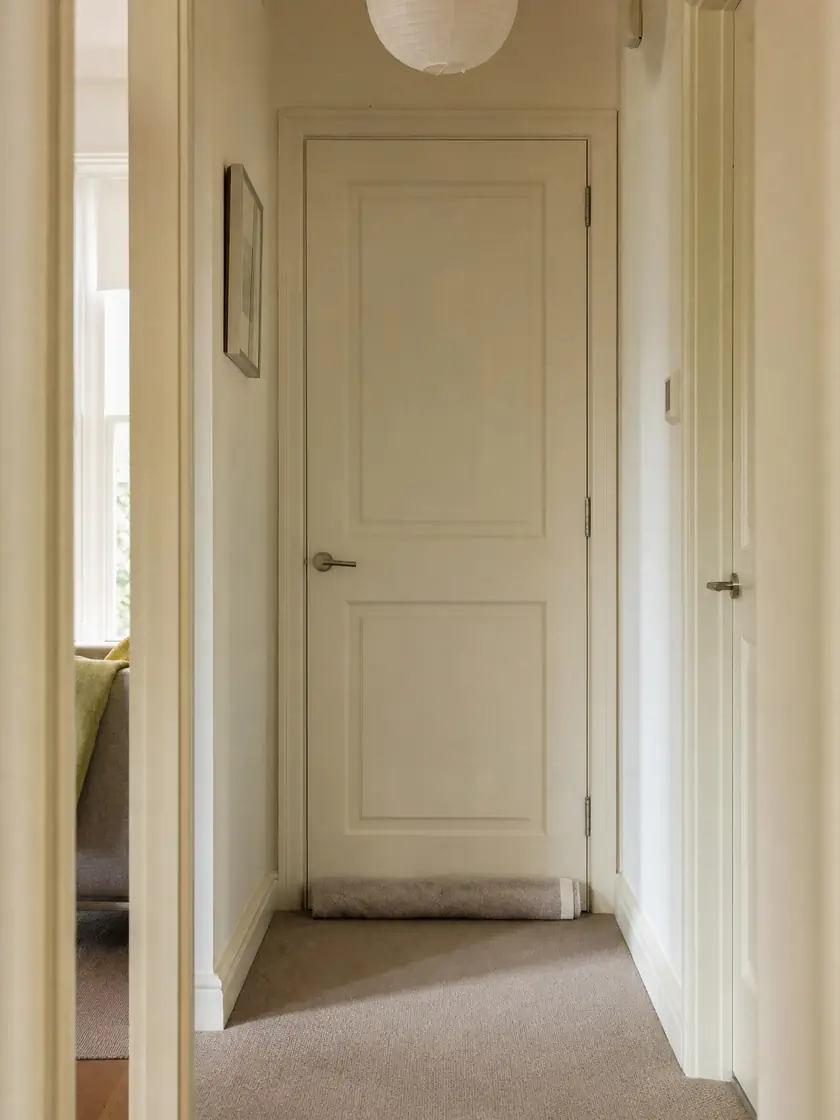 While you wait
How Does Our Sewage Spill Cleanup Work From First Call to Final Inspection?
We Assess the Damage and Contain the Spill
+Our technicians walk the site first. We find the source, check how far the sewage has travelled and mark the affected area.
Then we contain the spill. We seal doors, vents and floor gaps so further contamination cannot reach clean rooms. Where needed, we set up negative air pressure to stop harmful gases drifting through the building.
We Remove the Sewage and Clear Contaminated Materials
+Next comes sewage removal. We pump out the sewage water and lift solid waste using specialist equipment, for a thorough removal.
Porous materials soak up sewage like a sponge. Carpets, underlay, plasterboard and soft furnishings that cannot be sanitised are cut out, not cleaned. Taking out these contaminated materials stops the smell at its source. We bag all waste materials and take them away under local regulations, and this safe removal protects your neighbours too, because improper disposal is never an option.
We Disinfect, Dry and Inspect Before We Hand the Property Back
+Once the waste is out, we scrub all affected surfaces with industrial-grade cleaners. Our disinfection methods kill harmful bacteria and other dangerous pathogens, not just the smell, so you get clean surfaces you can trust.
Then comes odour removal and drying. High-powered air movers and dehumidifiers dry the affected area and pull moisture out of floors and walls. The drying process matters, because damp feeds mould. We test the affected materials for moisture. At the end, we carry out a final inspection to confirm the cleanup and decontamination are complete, and hand you a hygiene certificate.
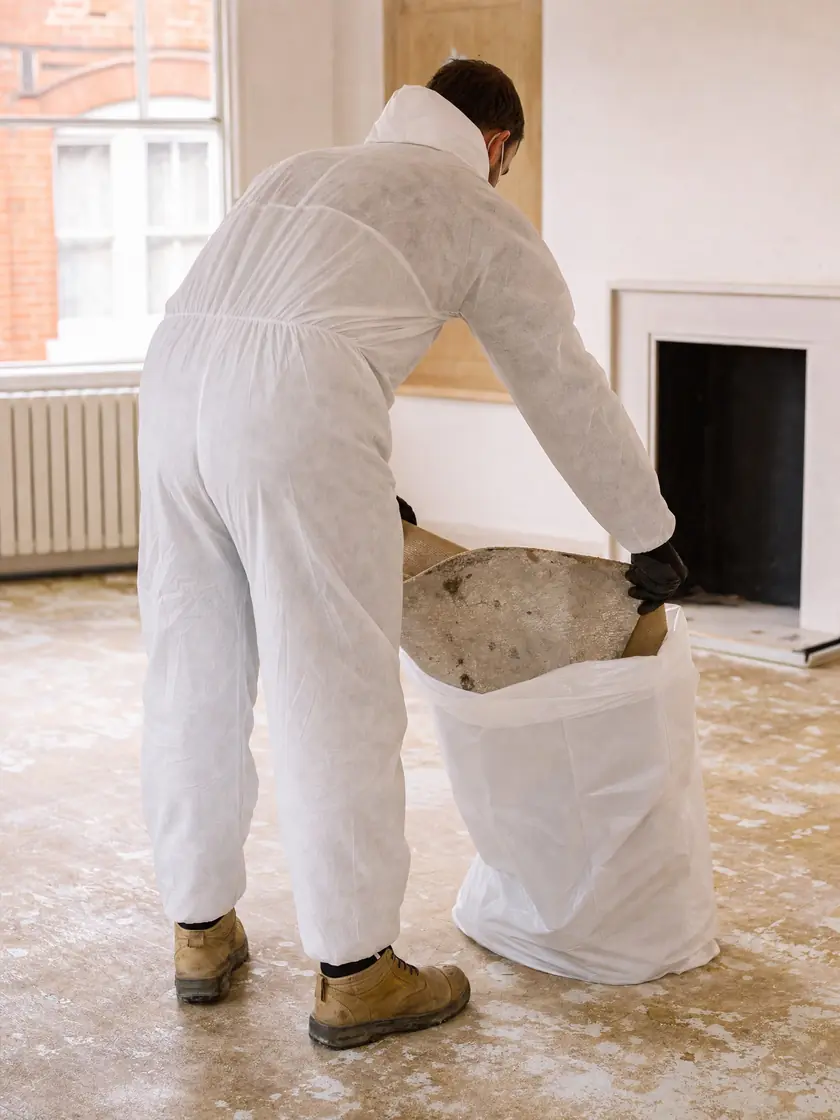 Call to final inspection
Why Choose No Mess Too Much for Sewage Cleanup in Merseyside?
Qualified Technicians Who Wear the Right Protection
+Our qualified technicians are part of our team and do this work every day. They wear proper personal protective equipment on every job, including suits, gloves, boots and masks.
We also follow strict safety precautions and treat the site as full of hazardous materials until it passes inspection.
A Professional Team You Can Trust
+You want a professional sewage cleaning service that does what it says. Our professional sewage cleaners bring specialist equipment, trained people and a clear plan.
Professional sewage cleaning also means paperwork. We follow regulatory compliance rules on waste, health and safety, and we work with local authorities where a public sewer is involved.
We Keep Disruption Low for Shops, Offices and Kitchens
+A closed restaurant or shop loses money every hour. Prompt sewage cleanup helps minimise disruption, so we plan around your trading hours where we can. For homes, we keep the work tidy and tell you exactly when you can come back in.
 Why choose us
How Much Does Sewage Cleanup Cost?
Our Rough Prices for Sewage Cleanup Based on Recent Projects
Here are our rough prices based on recent projects. A minor spill in one room, such as a toilet overflow caught early, usually costs around £500 to £1,500. A multi-room sewage backup with strip-out and drying usually costs around £1,500 to £4,000.
A serious spill across a whole floor, or a larger commercial site, usually starts at about £4,000 and can reach around £6,500 or more. If a drain also needs unblocking, that is a separate cost of around £100 to £250.
What Changes the Price of a Sewage Cleanup
Cleanup costs vary based on how bad the spill is, how big the affected area is and how easy it is to reach. Carpets and plasterboard that must come out add labour and disposal.
These prices are a rough guide, and the actual cost varies from job to job. For an accurate quote, please use our contact form and we will price your sewage cleanup properly.
Who Pays for Sewage Cleanup in Merseyside?
Homeowners, Landlords and Insurance
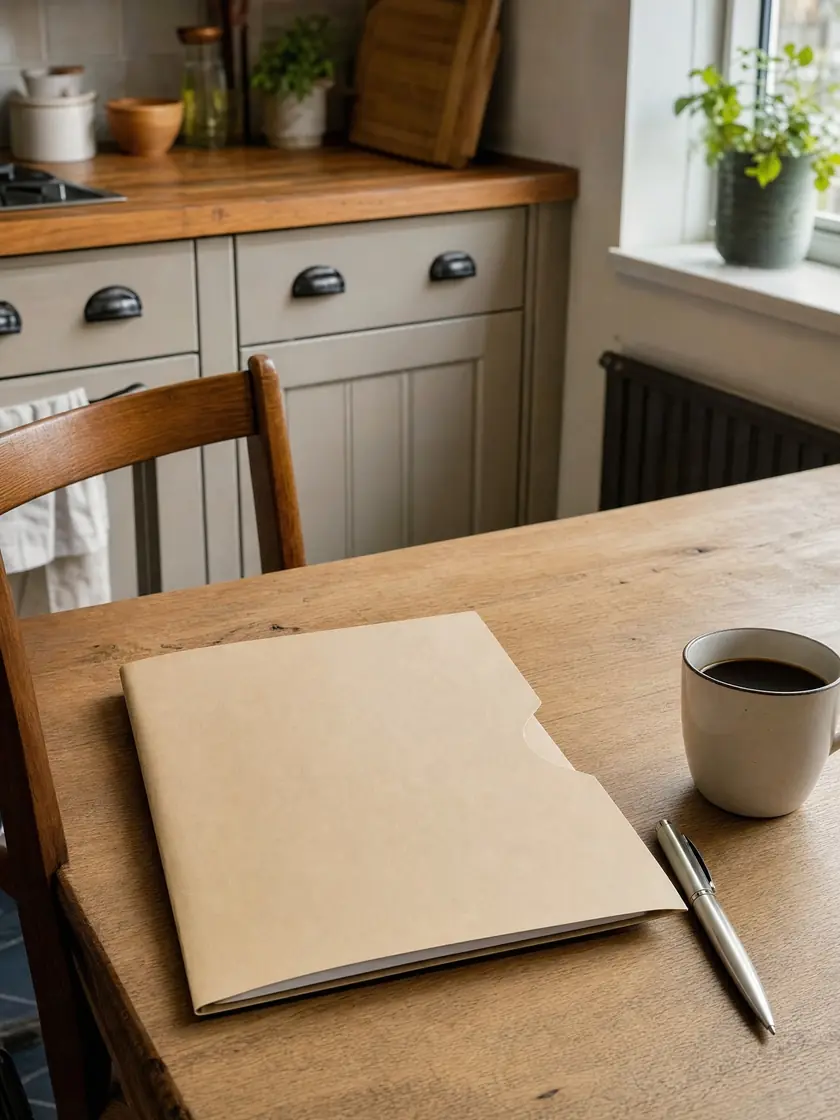
+You are usually responsible for drains inside your property boundary, while the water company looks after lateral drains and public sewers. If your own drain failed, the clean-up usually falls to you.
Many buildings and contents insurance policies cover sewage damage, especially after a burst pipe or heavy rainfall. Check your policy and tell your insurer early. We can give you the records and photos your claim needs.
When the Water Company or Business Insurance May Pay
+If the sewage came from a public sewer, your water company may help with the clean-up and may offer compensation. Call them and ask for their policy. We can still start straight away to protect your property.
Commercial policies may include business interruption cover for lost trading time. Tenants should check who holds the buildings cover, because it is often the landlord.
 Who pays
How Long Before a Property Is Safe Again After Sewage Cleanup?
Typical Timelines for Cleaning and Drying
+Most sewage spills need one to three days for removal, cleaning and disinfection. Drying then takes about three to seven days for a small spill. Bigger or dirtier jobs can need one to three weeks or more.
Hard outdoor surfaces such as paths and patios are usually fine to use the day after they are cleaned and disinfected. Lawns and borders can take about a month to settle naturally.
When We Say It Is Safe to Move Back In
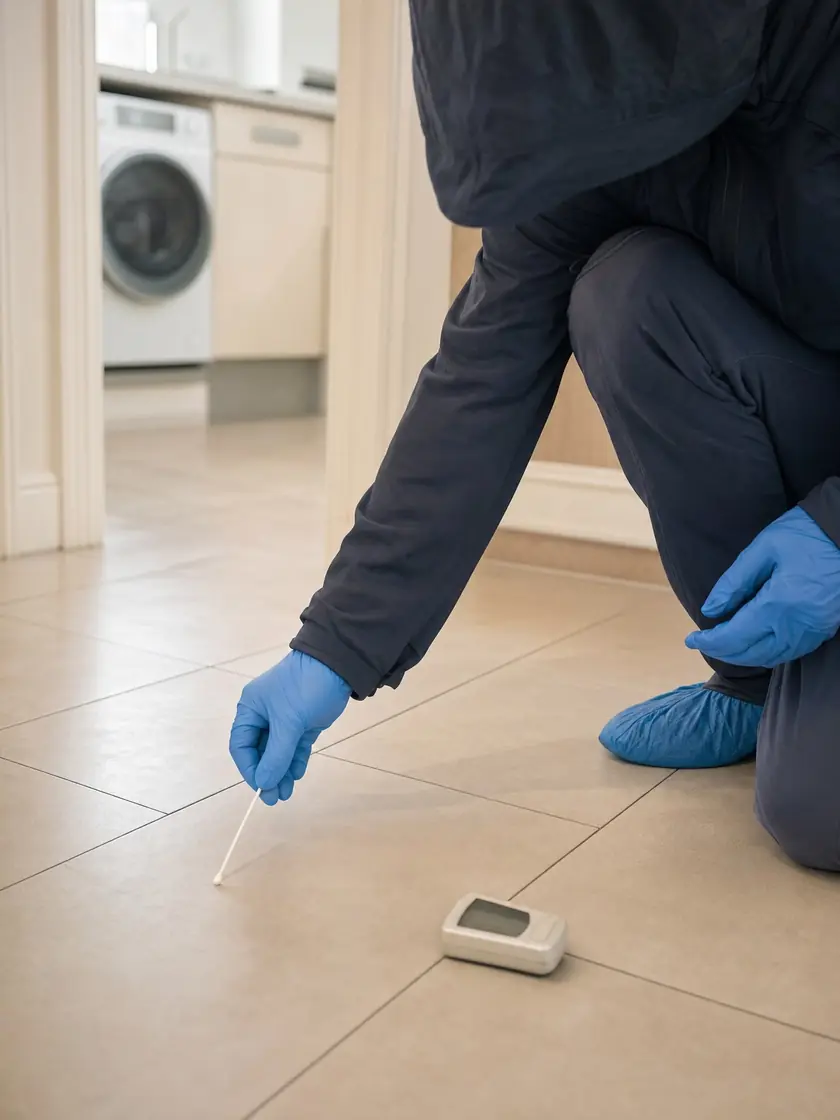
+We check moisture readings, inspect every room and only then sign the property off. Using rooms too early is how mould and smells come back. You can usually go back into cleaned rooms once disinfection is done and the final inspection is passed.
 Safe again
How Can You Avoid Future Sewage Problems?
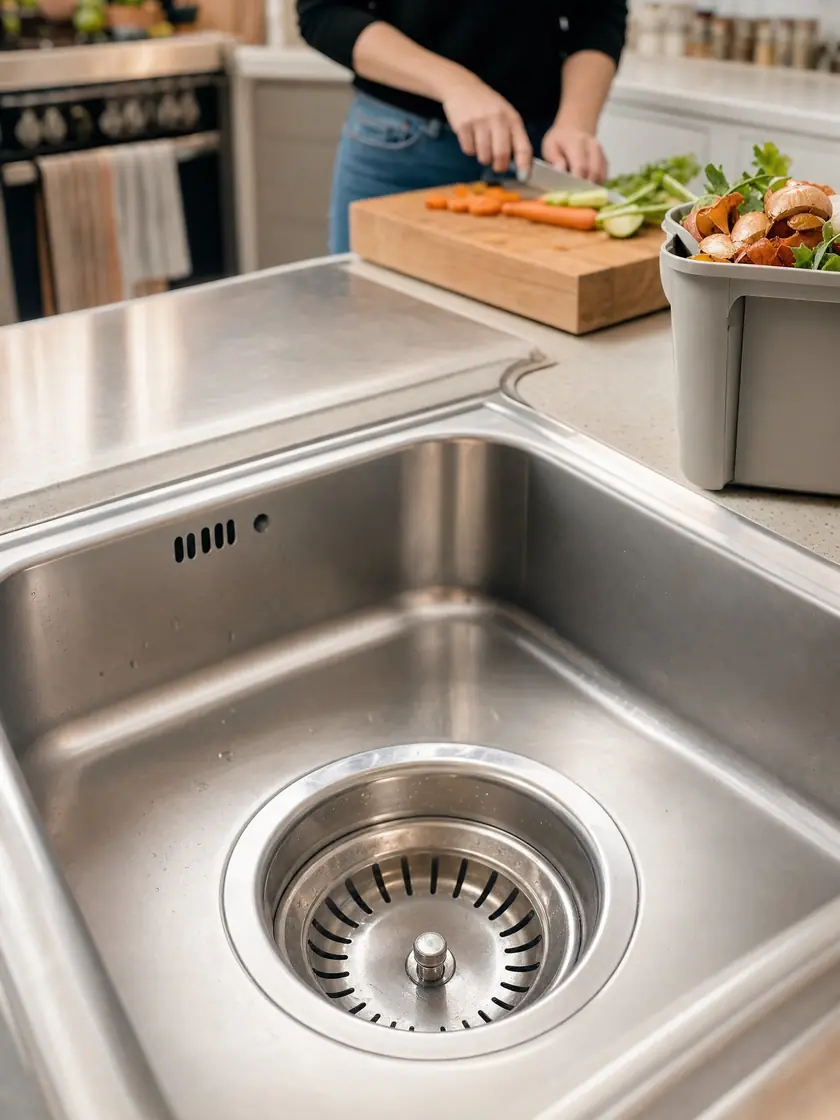
We cannot stop the rain, but we can help you avoid future sewage problems. Only flush toilet paper, keep fat and wipes out of drains and get old pipes checked. Kitchens should look at grease traps and regular maintenance.
The local water company says its sewer monitoring helped stop more than 1,600 blocked sewers before customers were affected in 2025/26, and more than 300 flood-mitigation devices went in across the North West. If a sewage problem keeps coming back, tell us and we will point you to the right drainage specialist.
 Avoid future problems
Call No Mess Too Much Today for a Free Sewage Cleanup Quote
Sewage does not get better with time. Every hour it sits, the risk and the cost go up. At No Mess Too Much, we clean up, disinfect, dry and sign off every job. We also provide fire damage cleaning services for homes and businesses affected by fire and smoke.
Use our contact form now and tell us what happened and where. We will reply quickly with a free quote for your home or business anywhere in Merseyside.
 Free quote
Questions about sewage cleanup
Straight answers from the people who do the work.
How much does sewage cleanup cost?
Sewage cleanup costs around £500 to £1,500 for a minor spill in one room, such as a toilet overflow caught early. A multi-room backup with strip-out and drying usually costs around £1,500 to £4,000, while a serious spill across a whole floor or a larger commercial site usually starts at about £4,000 and can reach around £6,500 or more. These figures are a rough guide and the actual cost varies from job to job, so use our contact form for an accurate free quote.
How long does sewage cleanup take?
Sewage cleanup usually takes one to three days for removal, cleaning and disinfection. Drying then takes about three to seven days for a small spill, while bigger or dirtier jobs can need one to three weeks or more. We only sign a property off once the moisture readings and the final inspection are clear.
Who pays for sewage cleanup in Merseyside?
You usually pay for sewage cleanup if the fault is in a drain inside your property boundary, while the water company looks after lateral drains and public sewers. Many buildings and contents insurance policies cover sewage damage, so check your policy and tell your insurer early. If the sewage came from a public sewer, your water company may help with the clean-up and may offer compensation.
What should I do while waiting for a sewage cleanup team?
While you wait for a sewage cleanup team, keep children, pets and staff out of the affected area and avoid contact with the sewage water. If water is near sockets, stay out of the room, and open a window for fresh air if it is safe. Do not try to clean the spill yourself.
Can I clean up sewage myself?
You should not clean up sewage yourself, because DIY methods often spread the problem and leave you handling hazardous waste with no protection. Pressure washing blasts contaminated droplets into the air, and a mop and bucket push waste into cracks and carpet. Call a specialist team that has the right equipment and protective gear instead.
Is sewage dangerous to your health?
Sewage is dangerous to your health because raw sewage can hold harmful bacteria, viruses and parasites, and exposure can cause E. coli infection, hepatitis A, gastroenteritis and Weil's disease. Children, older adults and anyone with weakened immune systems are hit hardest. Mould can also begin to grow within 24 to 48 hours of sewage exposure, so quick action matters.
Other restoration work we do
Ready when you are
Tell us what you are dealing with. A real person answers, a clear price follows, and the job is done quietly.
No Mess Too Much · 0151 380 0783 · Sewage Cleanup across Liverpool, Wirral, Sefton, Knowsley and St Helens