- Home
- Fire Damage Cleaning
Fire and Smoke Damage Ruining Your Property? We Clean It Up
Fire Damage Cleaning in Merseyside
Fire Damage Restoration Services for Houses, Flats, Shops and Offices
Smoke Damage Cleaning and Soot Removal Across Merseyside
- Unmarked vehicles
- Fully insured
- Free, no obligation quote
No Mess Too Much provides fire damage cleaning across Merseyside, from Liverpool and Wirral to St Helens, Sefton and Knowsley. We are a fire damage cleaning company that steps in once the fire service leaves. We restore your home or business to a clean, usable condition.
Our fire damage restoration services cover fire and smoke damage cleaning, soot removal, odour removal and contents cleaning. Use our contact form or call us for a free quote.
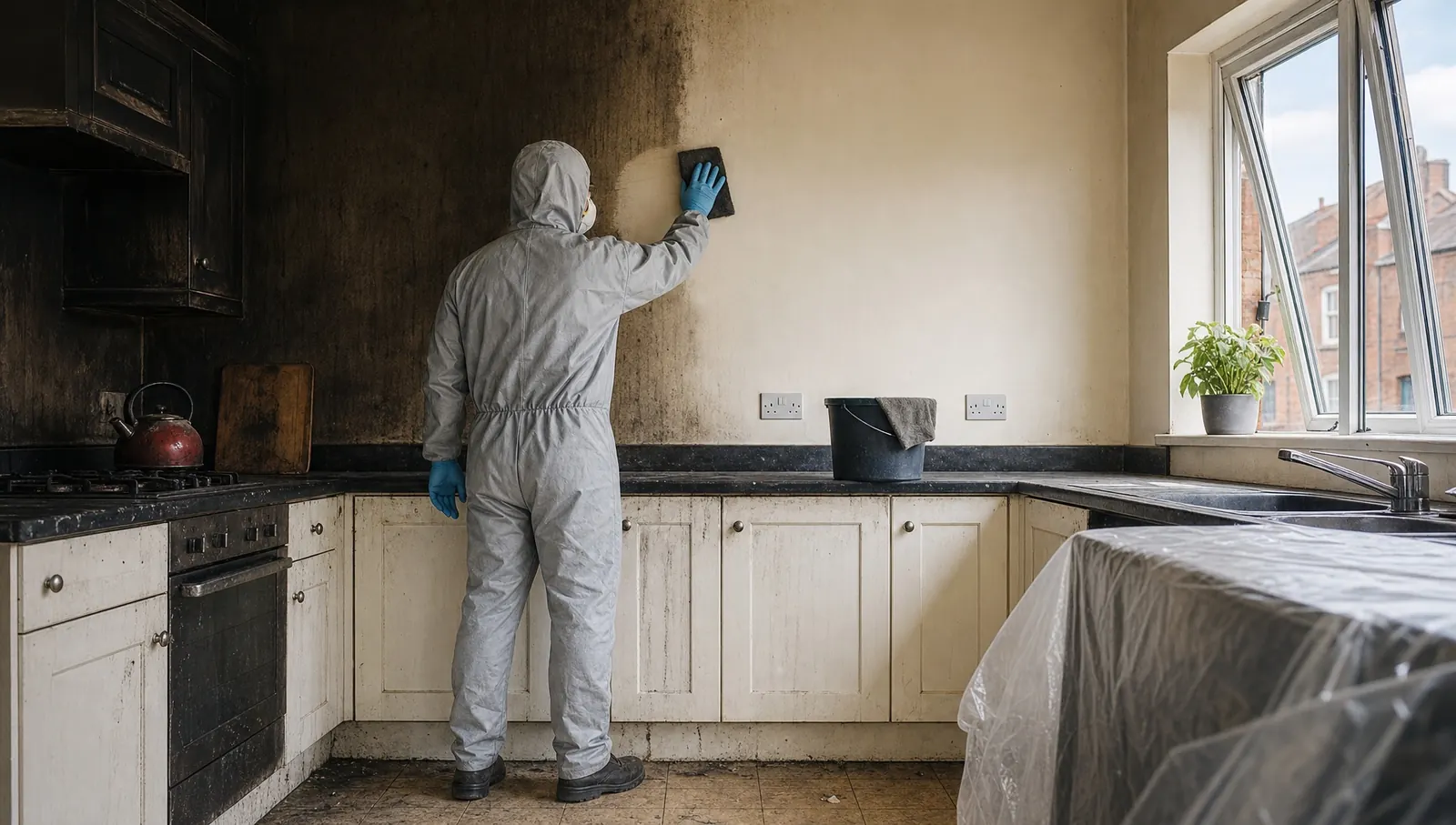
 Soot lifted
Why Does Fire Damage Spread Further Than the Flames?
Fire damage goes beyond what visibly burned. Heat, water, fire and smoke reach rooms the flames never touched, and that causes further damage if nobody acts.
How Far Do Smoke and Soot Travel After a Fire?
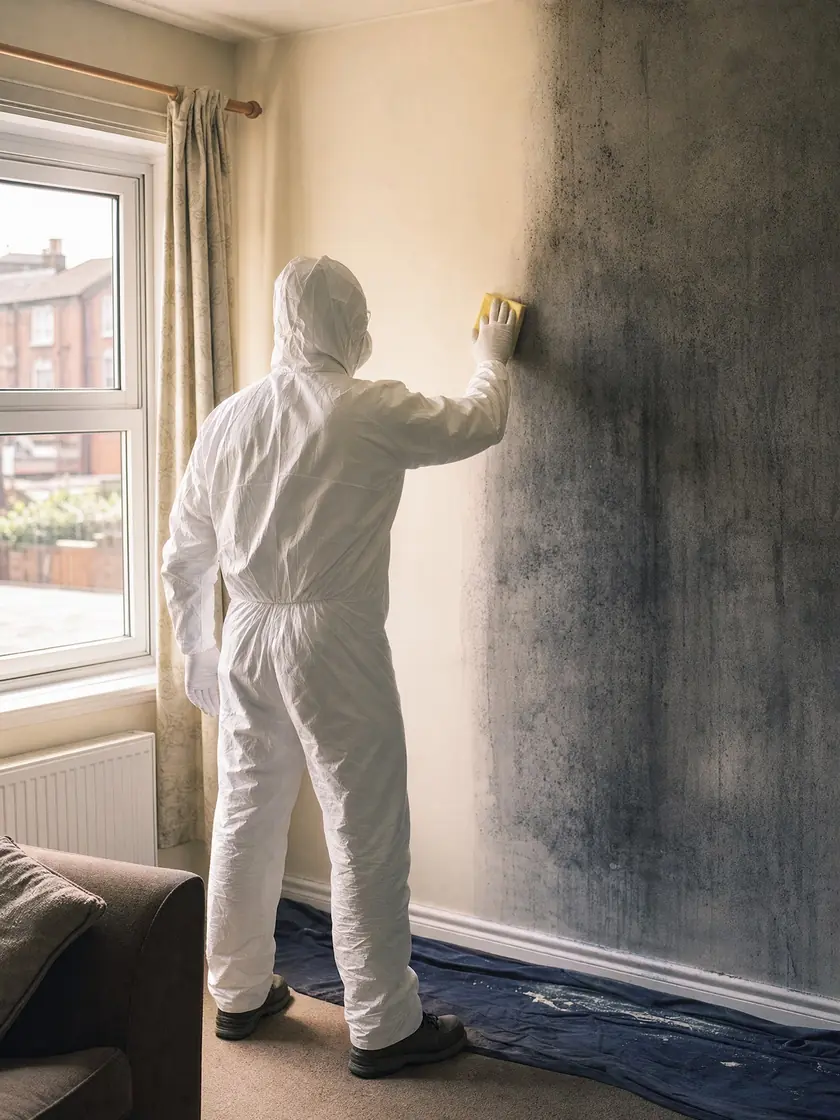
+Soot can travel far from where the fire started. It sinks into porous surfaces such as plaster and can get inside sensitive machinery and equipment. Soot is also acidic, so it etches and stains surfaces if left untreated.
Smoke residue carries toxic particles, gases and volatile organic compounds. Lingering smoke particles can cause respiratory issues, skin irritation and nasty odours.
Official statistics measure affected areas using smoke, heat and water damage, not just flames. In England in 2024/25, the average dwelling fire affected 14.7 square metres, and the average fire in other buildings affected 22.1.
Around 29% of dwelling fires caused no direct fire damage at all. Those homes can still need fire damage restoration for odours, soot deposits, heat effects or firefighting water. In 34% of dwelling fires the damage stayed with the first item to ignite, and in 24% it stayed in the room. But 13% spread further through the property.
How Many Fires Happen in Merseyside Each Year?
+Merseyside Fire and Rescue Service attended 5,412 fires in 2024/25. That is almost 15 a day, and 1,656 of them were primary fires, the type that put buildings, vehicles or people at risk. By borough, crews went to 2,134 fires in Liverpool, 1,071 in Wirral, 812 in St Helens, 737 in Sefton and 600 in Knowsley.
There were 724 accidental dwelling fires across the county, almost two a day and about 8% more than the 669 in 2023/24. The pace held into 2026, with 5,212 fires attended between April and December 2025, including 571 accidental dwelling fires.
Businesses are not spared. Merseyside had 142 accidental and 28 deliberate fires in non-domestic properties in 2024/25, which makes 170 fires in workplaces, shops, warehouses and other commercial or public buildings. Across England, crews attended 39,478 building fires in the year ending June 2026, and building fires made up 60% of all primary fires.
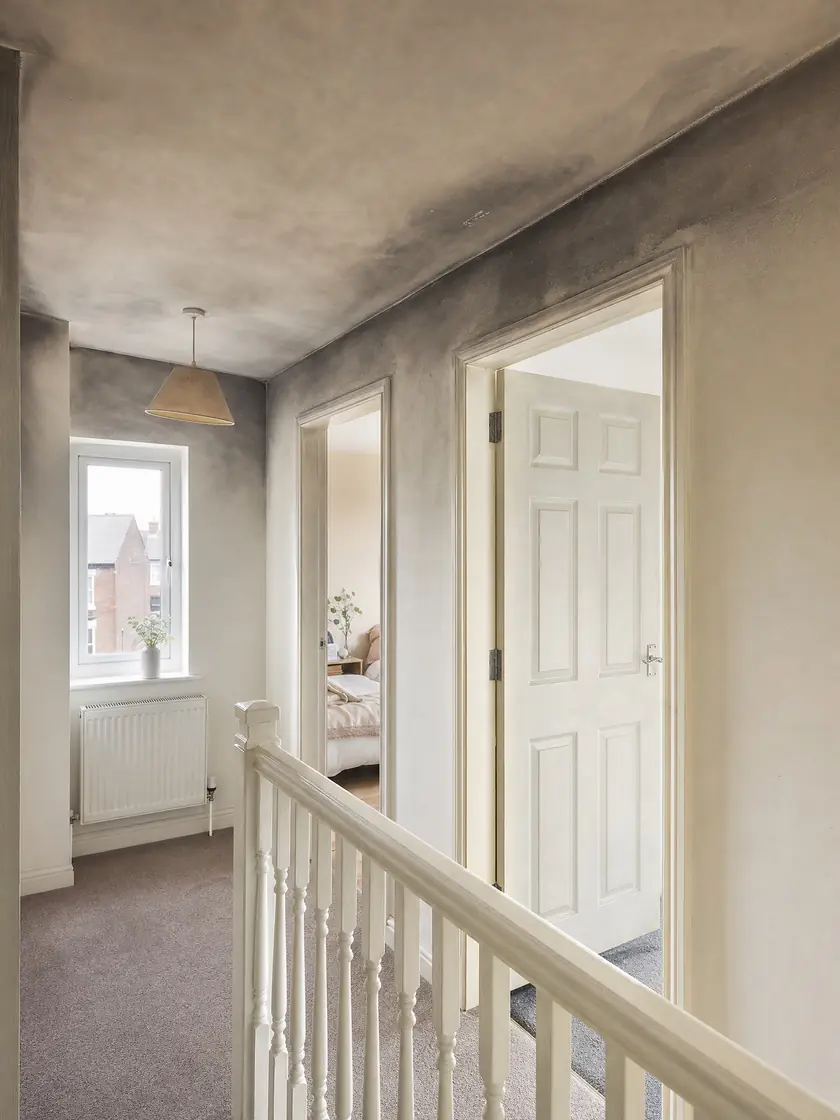 Smoke travels
Which Properties Do We Clean After a Fire?
Our fire damage restoration services reach residential properties and businesses of every size. Every fire damaged property needs its own plan.
What Do Houses, Flats and Period Homes Need After a Fire?
+Older building materials such as plaster and timber in period homes soak up soot and smell fast, while flats let fumes drift through shared walls and corridors. Kitchens lead the way. Cooking appliances caused 44% of accidental dwelling fires in England in 2024/25.
White goods add to the list, with 1,140 accidental electrical fires in England in 2023/24, more than three a day. Tumble dryers made up 51% of one insurer's white goods fire claims, and the average claim over three years was £36,870. The biggest single claim was almost £290,000.
Merseyside recorded 33 accidental house fires caused by candles in its latest reported period, and 20 of them, or 61%, happened between November and April. Most started between 5pm and 6am, when a fire can go unnoticed for longer. The UK had 13,537 accidental electrical dwelling fires in 2024/25, about 37 every day, and 64 Merseyside properties had no smoke alarm on record.
Textiles, upholstery and furnishings were mainly responsible for spreading the fire in 22% of primary dwelling fires in England, and these porous materials soak up odours.
High-rise flats need care too. Crews in England attended 680 fires in purpose-built flats or maisonettes of ten storeys or more in the year ending June 2026. Fire smoke moves through lobbies and stairwells, so we often clean beyond the flat where the fire began. During the 2025 bonfire period, firefighters also attended 123 deliberate secondary fires in Merseyside, with 44 in Liverpool and 27 in Wirral.
What Do Shops, Offices, Restaurants and Factories Need After a Fire?
+We plan fire damage restoration around operational downtime, so your business reopens sooner. We clean fire damage in shops, offices, restaurants, hotels, warehouses, clinics and industrial facilities.
A restaurant fire coats the kitchen in grease and soot, and a warehouse fire leaves a black film on stock and machines. Fire was the largest single insurance cost for UK businesses in 2023, at about £880 million in commercial property claims.
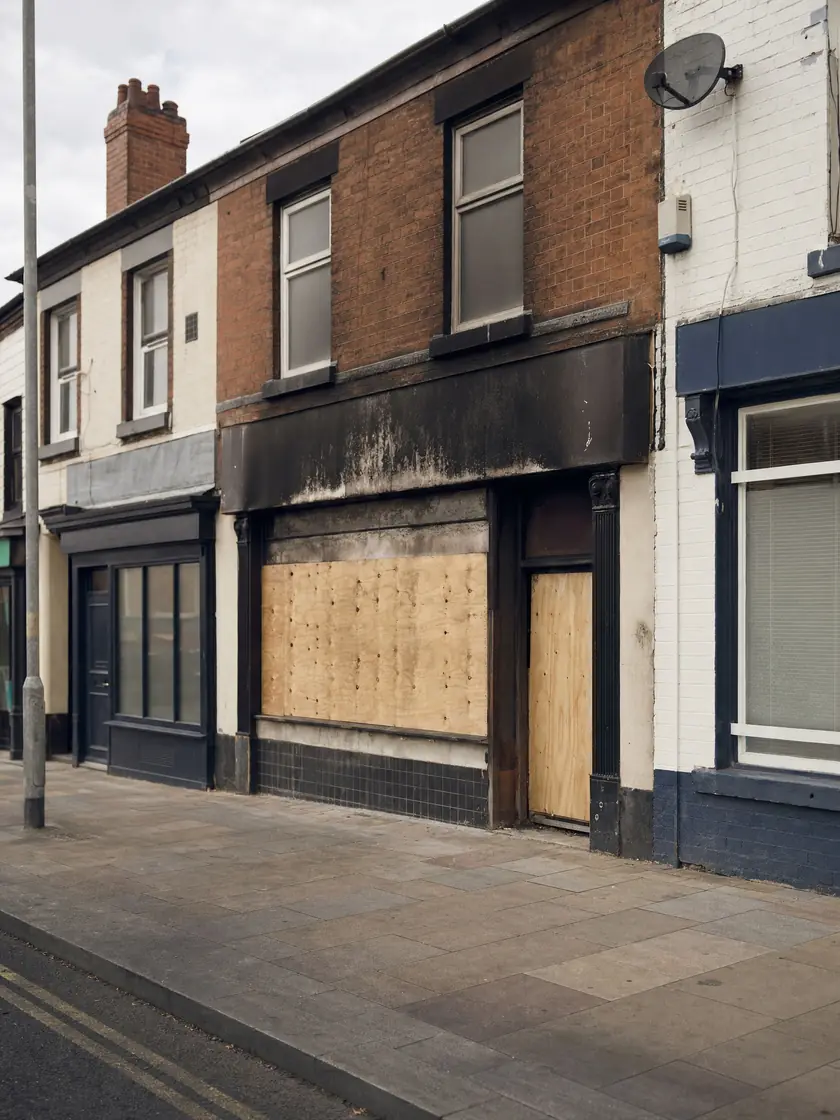 Homes and businesses
How Does Our Fire Damage Restoration Process Work?
Fire damage cleanup follows a structured, multi-stage process. Every fire damage restoration process we run follows the same order, from wall and ceiling cleaning to contents and drying.
We Start With a Risk Assessment and Make the Property Safe
+Once the emergency services have left and the site has been deemed safe to enter, we complete a risk assessment. We look for structural damage, weak floors, unsafe electrical systems and leftover fire debris.
Our rapid response stops further damage spreading, and limits secondary damage.
How Does Soot Removal Work on Walls, Ceilings and Hard Surfaces?
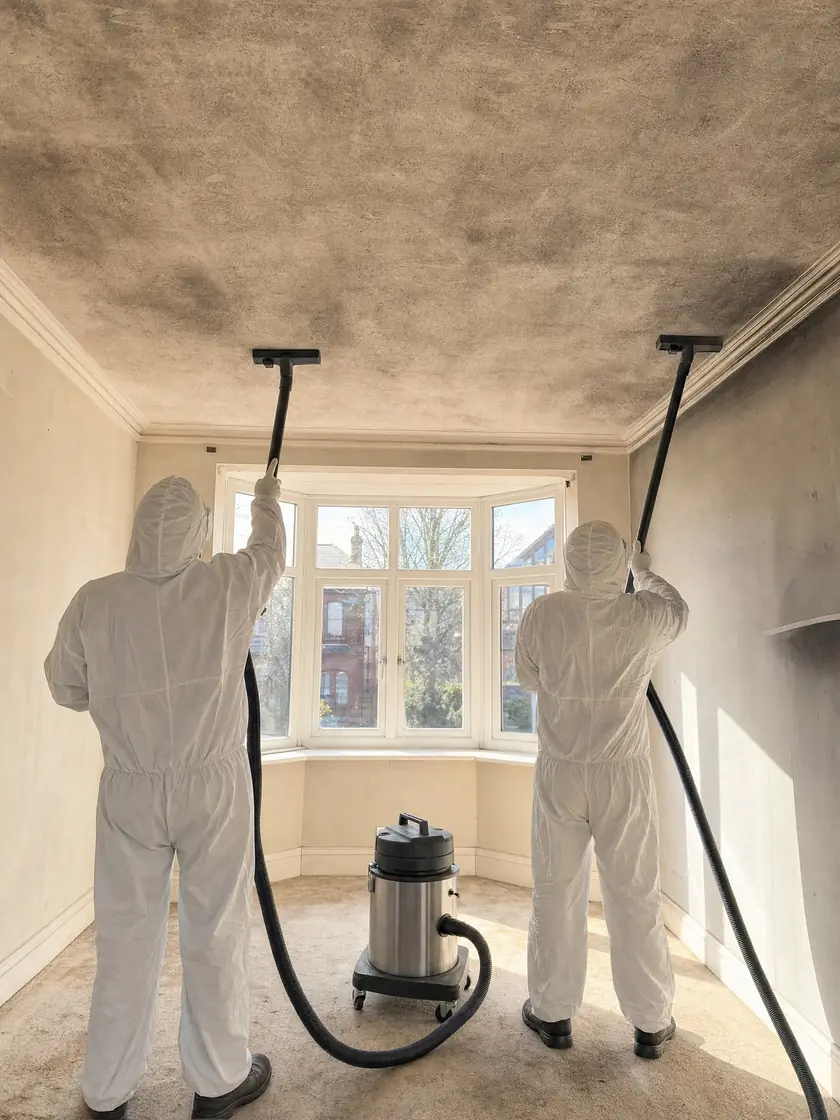
+We clear burnt materials first. Then we start vacuuming soot with HEPA-filtered machines before any wet cleaning. Wiping too early smears soot in, damaging surfaces.
Next we use dry sponges and specialist equipment for cleaning soot from walls, ceilings and hard surfaces. Traditional methods like a bucket and cloth make it worse. Damaged materials, such as charred plasterboard, are removed rather than cleaned. Deep cleaning and sanitising then take away the last traces of soot.
What Happens to Your Furniture, Clothes and Other Contents?
+As a specialist cleaning company, we assess your contents to decide what we can clean and restore and what is beyond recovery. Clothes and bedding may need dry cleaning or specialist cleaning. We photograph and list everything, which also helps your insurance claim.
How Do We Deal With Water Damage From Firefighting?
+Firefighting efforts leave water behind, so flood cleanup is often part of the job. Left in place, it feeds damp and mould and leads to secondary damage. We remove standing water and dry the property before cleaning starts, to prevent further problems. If firefighting water has reached a cellar, our flooded basement cleaning service can clear it. If mould has already taken hold, our mould removal service can treat it.
How Do We Seal and Return Your Property to Its Pre-Fire State?
+Air scrubbers fitted with HEPA filters remove airborne soot particles while we work. Where needed, we seal affected surfaces so residual soot and odours cannot show through the paint later. Our aim is a pre-fire state, as far as cleaning can take it, so restoration work can start straight away.
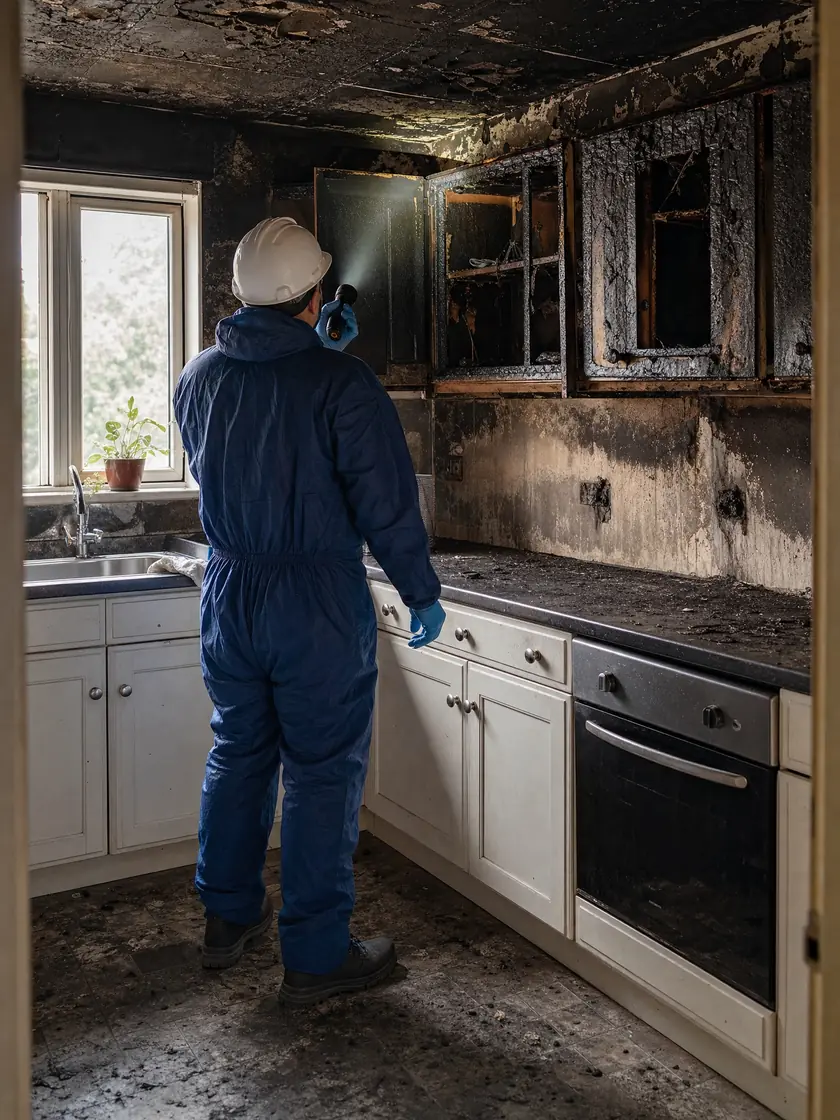 Made safe first
Can Smoke Damage Be Fully Cleaned and Will the Smell Go Away?
Usually yes, but it depends on what the fumes touched and how long they sat there. Smoke damage cleanup and smoke damage restoration are part of every fire job we take.
Can We Clean Every Item and Surface After a Fire?
+Glass, metal, tiles and sealed wood usually come back clean. Porous items such as plaster, carpet and soft furnishings are harder, because the smoke sinks in.
How Do We Remove Smoke Smell From a Property?
+A smoke smell comes from fire smoke residue stuck in walls, floors and fabrics. We clean away the source first, then treat the air and the surfaces. If the smell comes from years of smoking rather than a fire, our nicotine removal service can help.
Specialist treatments neutralise persistent odours, and air scrubbers pull particles out of the air. This odour removal service makes a place feel normal again, not just look clean.
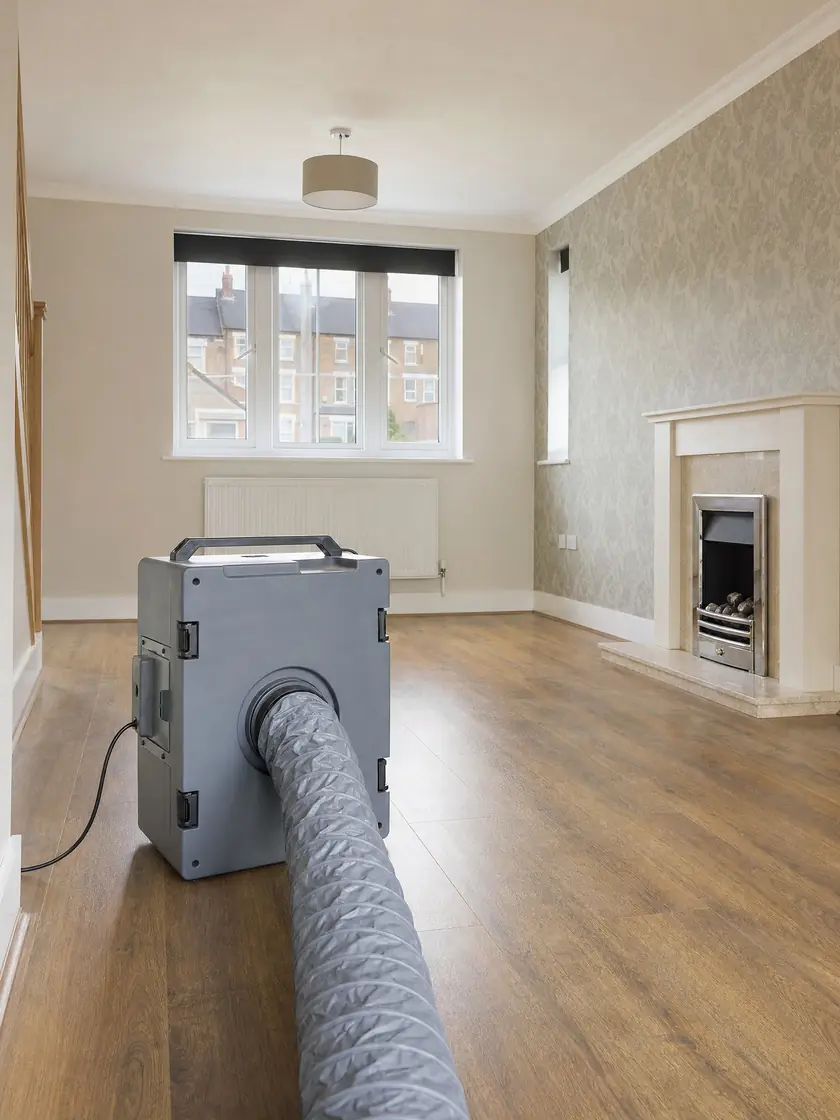 Smell removed
How Soon Should Fire Damage Cleaning Start?
Start as soon as the fire service says the property is safe. Fire smoke starts to stain and etch surfaces quickly, and damp can set in from firefighting water. Fast fire restoration beats slow repairs every time.
The average response time to an English dwelling fire was 8 minutes and 16 seconds in the year ending June 2026. Even in that short time, heat and smoke can move beyond the room where a fire started. Waiting turns a cleaning job into a repair job, causes further damage and raises costs, so a day or two is the ideal window. Our rapid response team can start in that time.
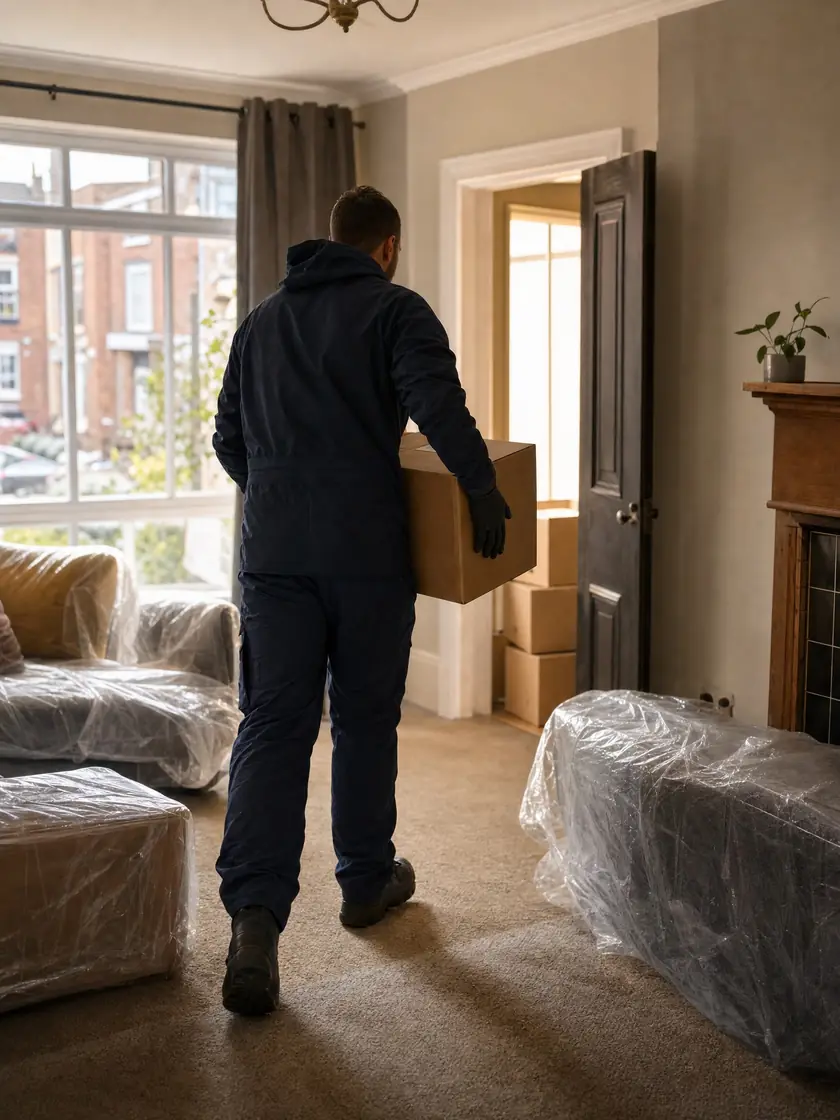 Fast start
Who Pays for Fire Damage Cleanup, and How Does Insurance Work?
In most cases your insurer pays for fire damage restoration, if you have the right cover. Buildings insurance covers the structure, contents insurance covers your belongings, and commercial policies cover business premises and stock.
UK insurers paid a record £6.1 billion for property claims in 2025. Home claims passed 560,000, with a payout of around £6,000 across all causes of insured damage. We photograph the damage and the work, and we give you a written scope your insurer can read.
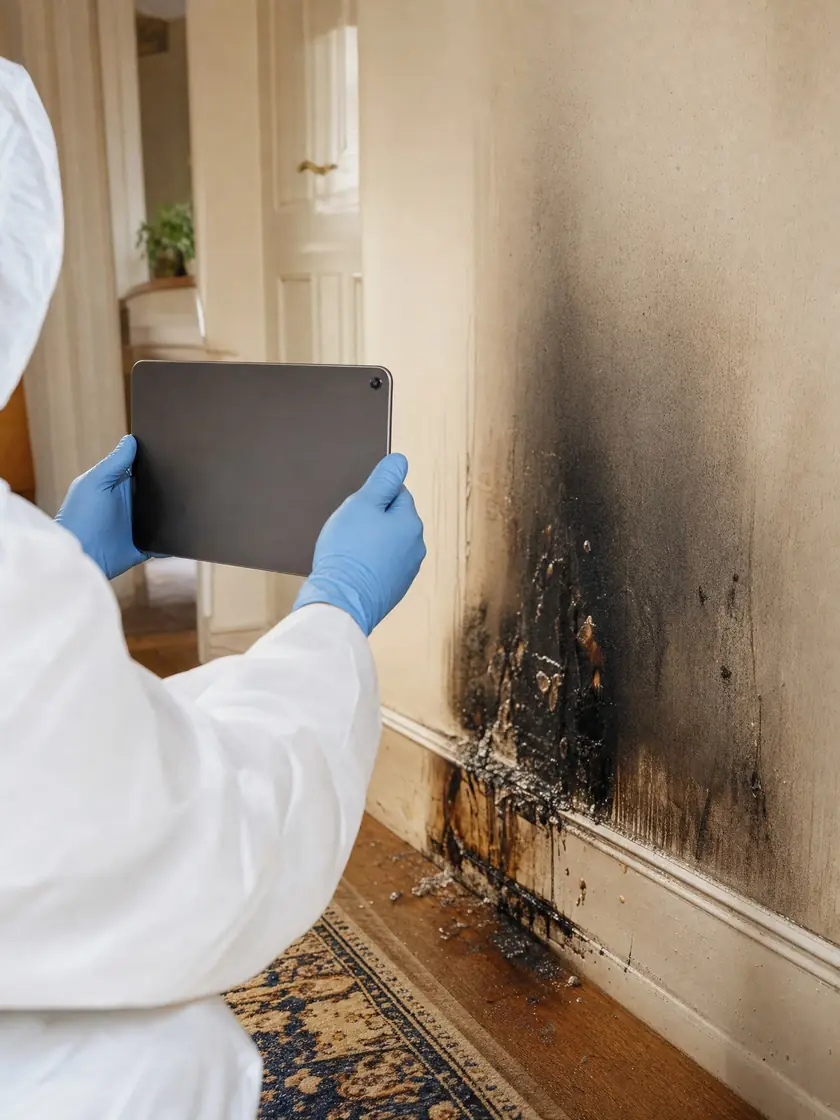 Recorded for insurers
How Much Does Fire Damage Cleaning Cost?
Here are our rough prices, based on recent projects.
- Light soot cleaning in one or two rooms: £800 to £3,000
- A room fire with spread, smell treatment and contents cleaning: £3,500 to £11,500
- A large or whole-property fire with structural damage and strip-out: from £13,000 upwards
- Small call-outs charged by the hour: around £60 an hour
Commercial jobs usually fall in the middle or top band, priced by floor area and how long you can afford to stay shut. The damage restoration cost depends on how far the soot travelled and which materials burned. It rises with water, mould or strip-out, and a longer wait raises the damage restoration cost too.
These prices are a rough guide, and the actual cost varies from job to job. For an accurate quote, please use our contact form and tell us what happened.
Why Choose No Mess Too Much as Your Fire Damage Restoration Company?
At No Mess Too Much, we turn up fast for fire restoration, work cleanly and talk plainly. As a restoration company, we run all our restoration services, from soot to water clean-up, with our own specialist equipment. We also provide sewage cleanup services where contaminated water is involved. You get one written quote and a final walk-round.
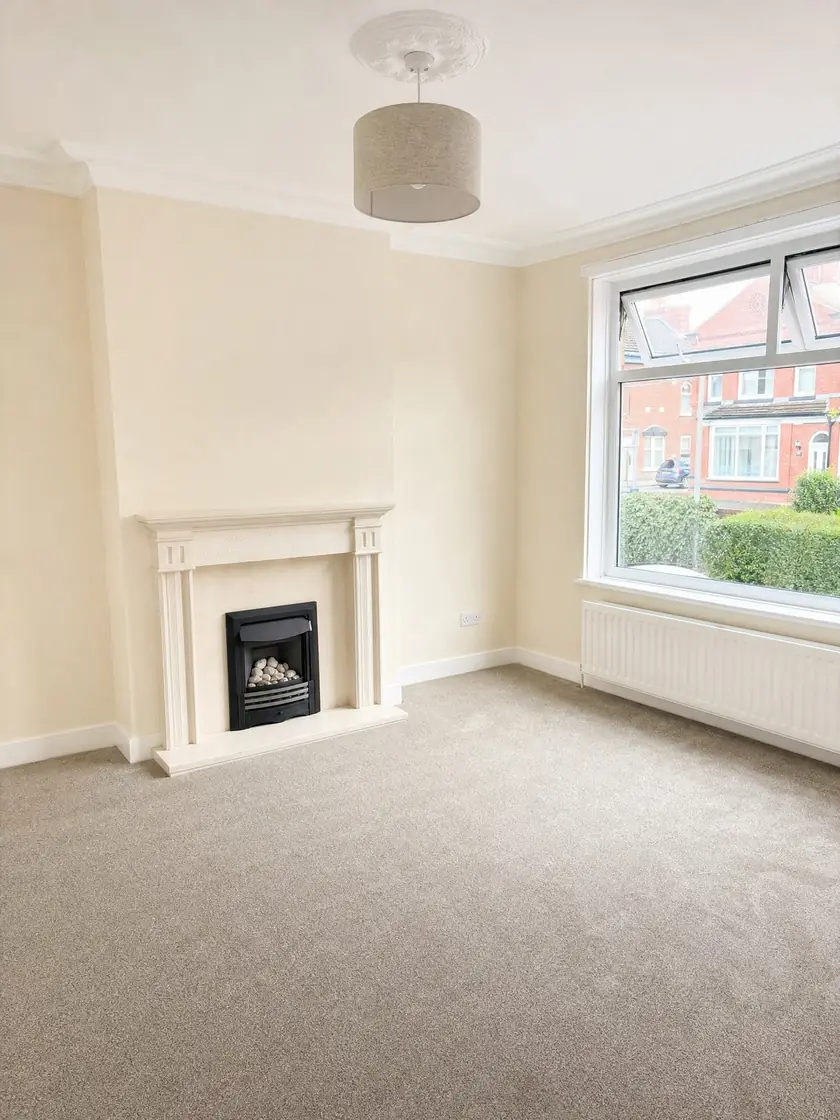 Pre-fire state
Get a Free Fire Damage Cleaning Quote From No Mess Too Much Today
Fire damage gets worse the longer it waits, so pick a restoration company that moves fast. Read our reviews, then use our contact form and tell us what happened. We will give you a free, clear quote for fire restoration anywhere in Merseyside.
 Free quote
Questions about fire damage cleaning
Straight answers from the people who do the work.
How much does fire damage cleaning cost?
Fire damage cleaning costs roughly £800 to £3,000 for light soot cleaning in one or two rooms, and £3,500 to £11,500 for a room fire with spread, smell treatment and contents cleaning. A large or whole-property fire with structural damage and strip-out runs from £13,000 upwards, while small call-outs are charged at around £60 an hour. These prices are a rough guide and the actual cost varies from job to job, so please use our contact form for an accurate quote.
Who pays for fire damage cleaning?
Fire damage cleaning is usually paid for by your insurer, provided you have the right cover. Buildings insurance covers the structure, contents insurance covers your belongings, and commercial policies cover business premises and stock. We photograph the damage and the work, and we give you a written scope your insurer can read.
How soon should fire damage cleaning start?
Fire damage cleaning should start as soon as the fire service says the property is safe, because smoke begins to stain and etch surfaces quickly. Waiting turns a cleaning job into a repair job and raises costs, so a day or two is the ideal window. Our rapid response team can start in that time.
Can smoke damage be fully cleaned and will the smell go away?
Smoke damage can usually be cleaned and the smell removed, but the result depends on what the fumes touched and how long they sat there. Glass, metal, tiles and sealed wood usually come back clean, while porous items such as plaster, carpet and soft furnishings are harder. We clean away the source first, then use specialist odour treatments and air scrubbers to treat the air and surfaces.
How does the fire damage cleaning process work?
The fire damage cleaning process starts with a risk assessment once the emergency services have left and the site is safe to enter. We then clear burnt materials, vacuum soot with HEPA-filtered machines, clean walls and ceilings with dry sponges, remove firefighting water and dry the property. Finally, we deep clean, sanitise and seal affected surfaces while air scrubbers remove airborne soot.
Do you provide fire damage cleaning across Merseyside?
Yes, we provide fire damage cleaning across Merseyside, including Liverpool, Wirral, St Helens, Sefton and Knowsley. We clean houses, flats, shops, offices, restaurants, hotels, warehouses, clinics and industrial facilities. Use our contact form or call us for a free quote.
Other restoration work we do
Ready when you are
Tell us what you are dealing with. A real person answers, a clear price follows, and the job is done quietly.
No Mess Too Much · 0151 380 0783 · Fire Damage Cleaning across Liverpool, Wirral, Sefton, Knowsley and St Helens