- Home
- Fire Damage Cleaning
- Mould Removal
Black Mould on Your Walls? We Sort It Fast
Mould Removal Service in Merseyside
Professional Mould Removal Company for Merseyside Homes
Mould Remediation for Terraced Houses, Flats and Period Homes
- Unmarked vehicles
- Fully insured
- Free, no obligation quote
Our mould removal service covers Merseyside, from Liverpool and Wirral to Sefton, Knowsley and St Helens. We handle black mould removal, mould cleaning and full mould remediation in terraced houses, semi-detached homes, flats and period properties. No Mess Too Much clears the mould you can see and finds the moisture feeding it.
Most people try a bottle of bleach and a cloth first. A few weeks later, the black mould is back. The stain was never the real problem.
Our professional mould removal service finds the root cause, will remove mould and protects the surface so it stays clean. Send us a message through our contact form and we will book your free quote.
 Treated properly
Why Do Merseyside Households and Landlords Choose No Mess Too Much for Mould Removal?
You get a team that treats mould problems as a repair job, not a quick wipe. Our professional mould removal covers every room, from loft to cellar. We tell you what we found, what it will cost and how long it will take, then we remove mould and leave your home tidy, as our reviews show.
Which Properties Do We Treat Across Liverpool, Wirral, Sefton, Knowsley and St Helens?
+We work in terraced streets, semi-detached estates, flats, maisonettes and period homes. Older Liverpool houses with solid walls need extra care. Newer flats with sealed windows bring their own mould problems, because moist air has nowhere to go.
Tenants book us once a landlord agrees to act. Landlords book us before a new tenancy starts or after a complaint lands. Owners book us when black mould shows up behind a wardrobe or in a cold corner.
What Problems Do Our Customers Ask Us to Fix?
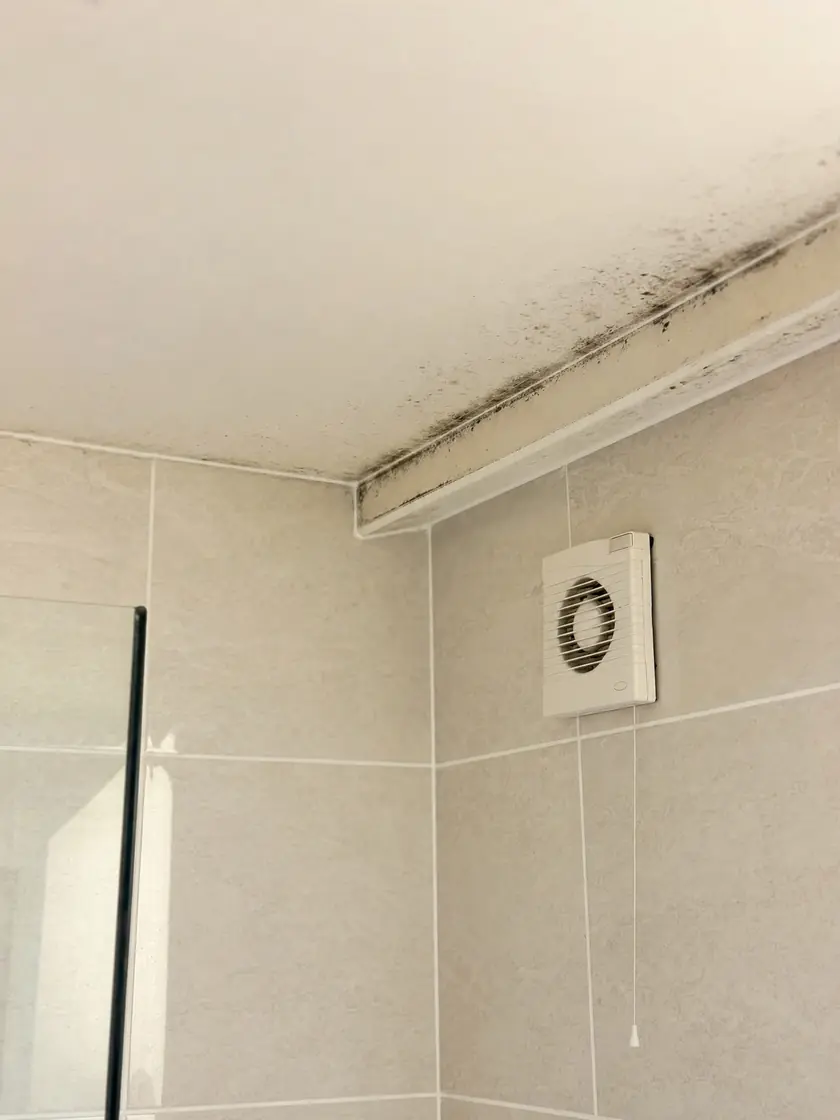
+Most calls start with a patch of visible mould on a bathroom ceiling, or black mould on a bedroom wall. Others start with a damp smell nobody can trace. Some start after a leak or a bad storm, or after a fire that calls for fire damage cleaning.
If the damp came from a flood or a sewage spill, we run a separate flood damage cleaning service for that clean-up. We then treat any mould that follows. Either way, you speak to one team.
 Households and landlords
How Bad Is Mould in Merseyside Homes Right Now?
The local figures are worrying, and they show why homes across the area need help. Here is what councils in Merseyside have reported.
What Do the Local Figures Say About Damp and Mould?
+Around 10.1% of homes in Knowsley are estimated to have damp. That is almost twice the 5.3% national figure used in the same analysis. It is the highest estimated rate in the Liverpool City Region.
With 71,597 homes in Knowsley, that rate points to roughly 7,200 affected homes. That is our rough sum, not an official count. Damp hits privately rented homes hardest at an estimated 16%, against 10.9% of owner-occupied homes and 5.5% of social housing.
Terraced and semi-detached houses are the Knowsley house types most often affected by damp. They are also some of the most common homes across our area.
Wirral Council's Healthy Homes project contacted 912 households and found 252 cases of damp and mould. Around two thirds of the damp hazards it found were later removed. Reports of damp, mould or cold to the team have more than doubled since early 2023.
Nearly a quarter of those Wirral households had children under five. Just under 20% were home to adults of pensionable age. Both groups can suffer most in unhealthy housing.
Sefton tells a similar story. Most damp and mould cases handled by its Housing Standards Team involved privately rented properties. Housing prosecutions in December 2024 led to £45,000 in fines, with damp, mould and overcrowding among the problems.
Liverpool has 234,391 homes, and one in four was built before 1900. Solid walls and old roofs can hide the root cause. These homes often need a proper moisture assessment before any mould work starts.
Cold homes grow mould. Around 12.9% of Merseyside households are classed as fuel poor, against 11.4% across England. Liverpool sits at 14.9%, Wirral at 12.6%, St Helens at 12%, Sefton at 11.3% and Knowsley at 10.9%.
How Do Merseyside Figures Compare With the Rest of the UK?
+Around 1.4 million homes in England had a serious damp problem in 2024. That is about one home in every 20. Yet 7.7 million households, or 31%, reported condensation, damp or mould in 2024 to 2025.
Private rented homes had the highest damp rate at about 10%, against 7% of social homes and 4% of owner-occupied homes. Serious condensation or mould affected about 3% of homes. Damp getting in from outside affected 2% and rising damp around 1%.
Heat matters too. Among households that could not keep warm in winter, 58% reported condensation, damp or mould, against 27% of households that could. Homes with children were twice as likely to have damp, at 8% against 4%.
Rain adds to the mould risk. About 17% of households noticed new moisture damage after intense rain or storms. Older homes carry more risk, with damp found in 10% of homes built before 1919.
 Merseyside homes
What Is Black Mould and Is It Dangerous?
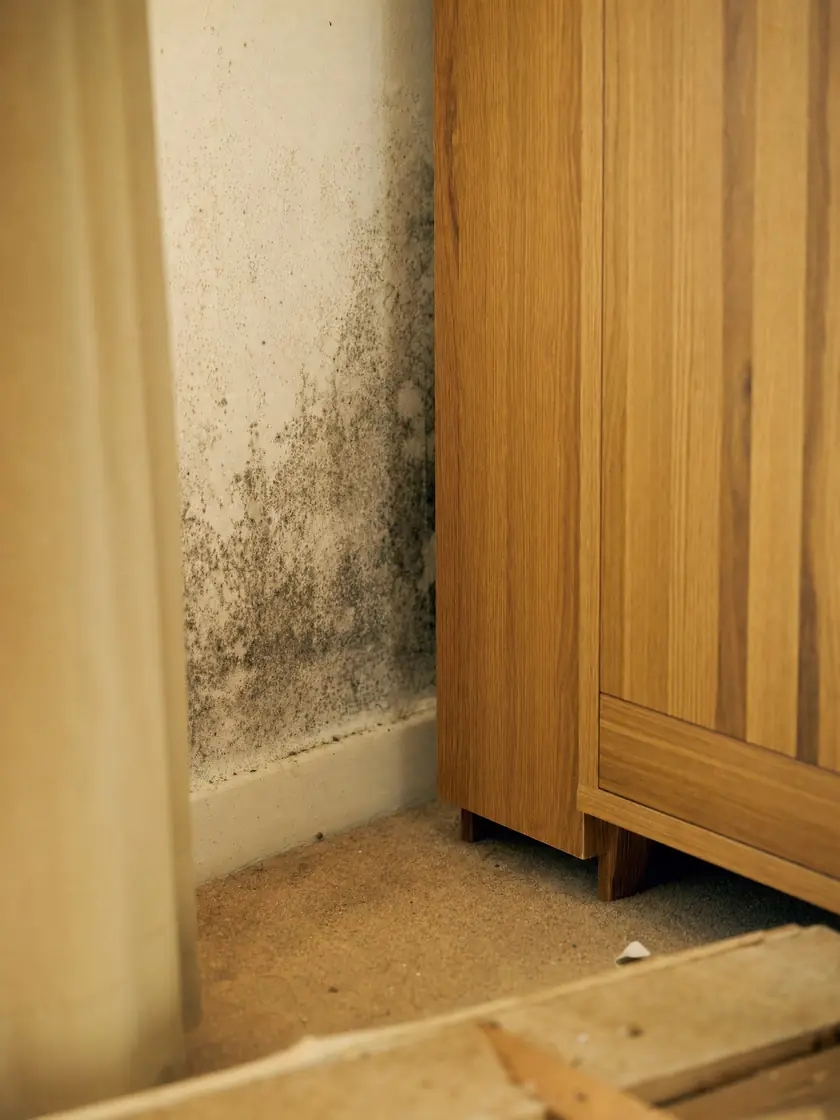
Black mould is the dark, spotty growth most people picture. It is one of several mould types, and it needs careful treatment. We treat it as a health matter first and a cleaning job second.
What Does Mould Look Like When It Appears in Your Home?
+Mould often appears as black, brown or green patches. You will spot it on ceilings, window frames and in corners behind furniture. Mould typically grows where excess moisture sits, such as bathrooms and kitchens.
Early mould growth is easy to miss. Visible growth is only part of the picture.
A persistent musty smell can point to hidden mould behind surfaces and furniture. A musty smell usually means the mould is active.
Mould can start growing within 24 to 48 hours of getting wet. Mould spores float in the air all the time, but they need damp surfaces to germinate and grow. Dry the surface fast, or the spores settle in.
What Are the Health Risks of Black Mould?
+Mould exposure can cause respiratory issues and allergies. It can worsen asthma and other breathing conditions. Visible mould growth can also make indoor allergy symptoms worse.
Black mould can produce mycotoxins that irritate the airways. Mould spores can trigger allergic reactions and skin irritation. Prolonged exposure can lead to serious health issues.
These health risks hit children and people with weakened immune systems hardest. Even healthy adults can develop health problems in a mouldy home. If anyone feels unwell, speak to your GP.
 Black mould
Why Does Mould Keep Coming Back After You Clean It?
Black mould returns when an underlying moisture problem is still there. Treating mould without fixing the cause wastes your money. That is why we find the cause first.
How Does Condensation Feed Mould Growth?
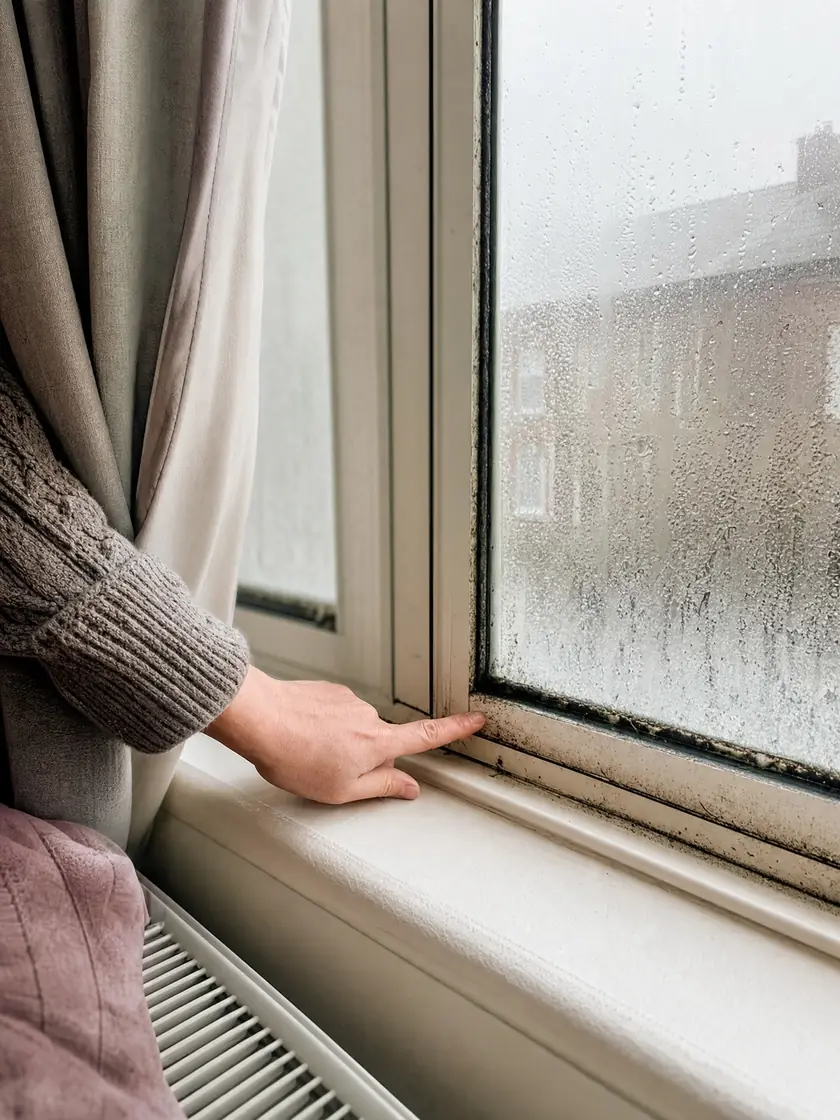
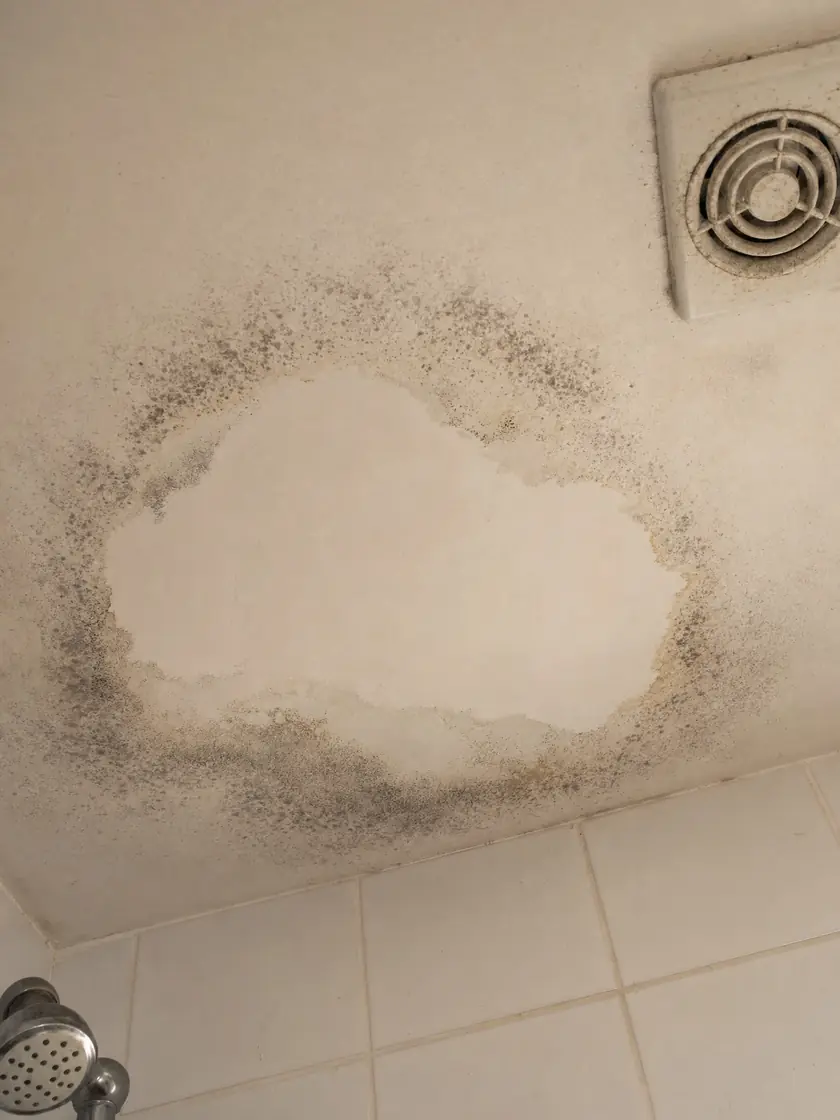
+Condensation is the main cause of mould in around 70% of cases. Warm air holds moisture, then meets cold surfaces such as cold external walls and window frames. The water turns to droplets and mould growth follows.
Cooking, showers and drying washing indoors push relative humidity up. Poor ventilation then traps that moisture in the room. A high condensation risk shows up as streaming windows and black dots in the corners.
Condensation risk is highest in winter. That is when walls are coldest and windows stay shut. Black mould loves a damp corner that never dries.
Which Leaks and Damp Problems Make Mould Come Back?
+Water ingress and leaks feed black mould too. A slow pipe drip, a cracked gutter or a burst pipe can soak a wall for weeks, leaving excess moisture behind paint and plaster. Rising damp pulls ground water up a wall, and penetrating damp pushes rain through it.
Each cause needs a different fix, and some mould problems need a plumber or builder first. We tell you straight which is which. We then treat the mould and the affected areas.
Why Does DIY Cleaning Fail to Get Rid of Mould?
+Surface cleaning removes what you can see. Even if you clean mould off a wall, spores sit inside plaster, grout and timber, so mould growth carries on underneath. A clean wall can turn black again within weeks.
If you try DIY cleaning on a tiny patch, wear rubber gloves and protective equipment and take proper precautions. For anything bigger, call us.
Spreading spores through the house costs more than professional removal. Bleach alone will not remove black mould for good.
 Why it comes back
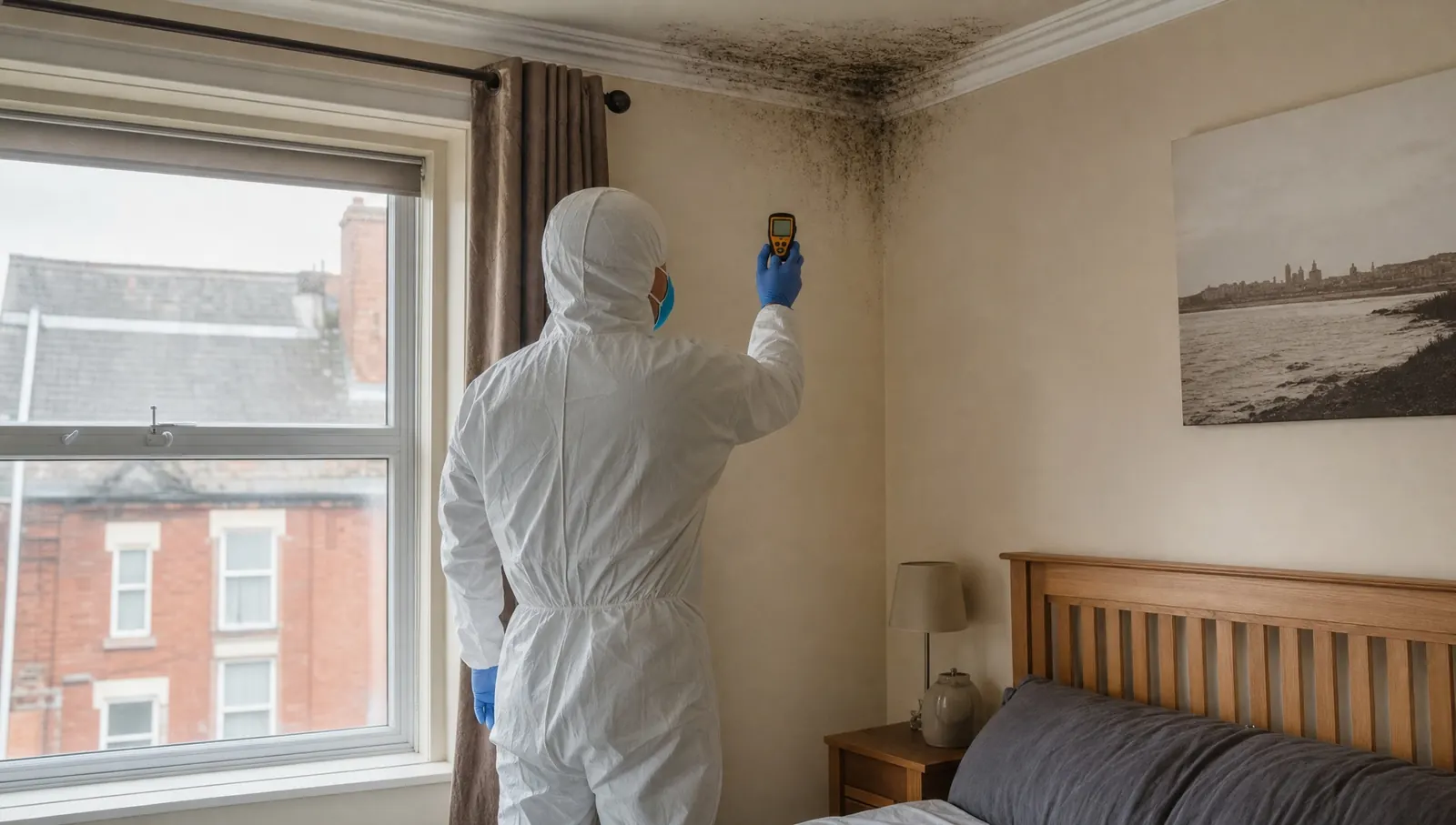
How Does Our Mould Inspection and Moisture Assessment Work?
Every job starts with a mould inspection. We do not guess, because a guess means a repeat visit. Here is what happens on site.
What Happens During a Professional Mould Inspection?
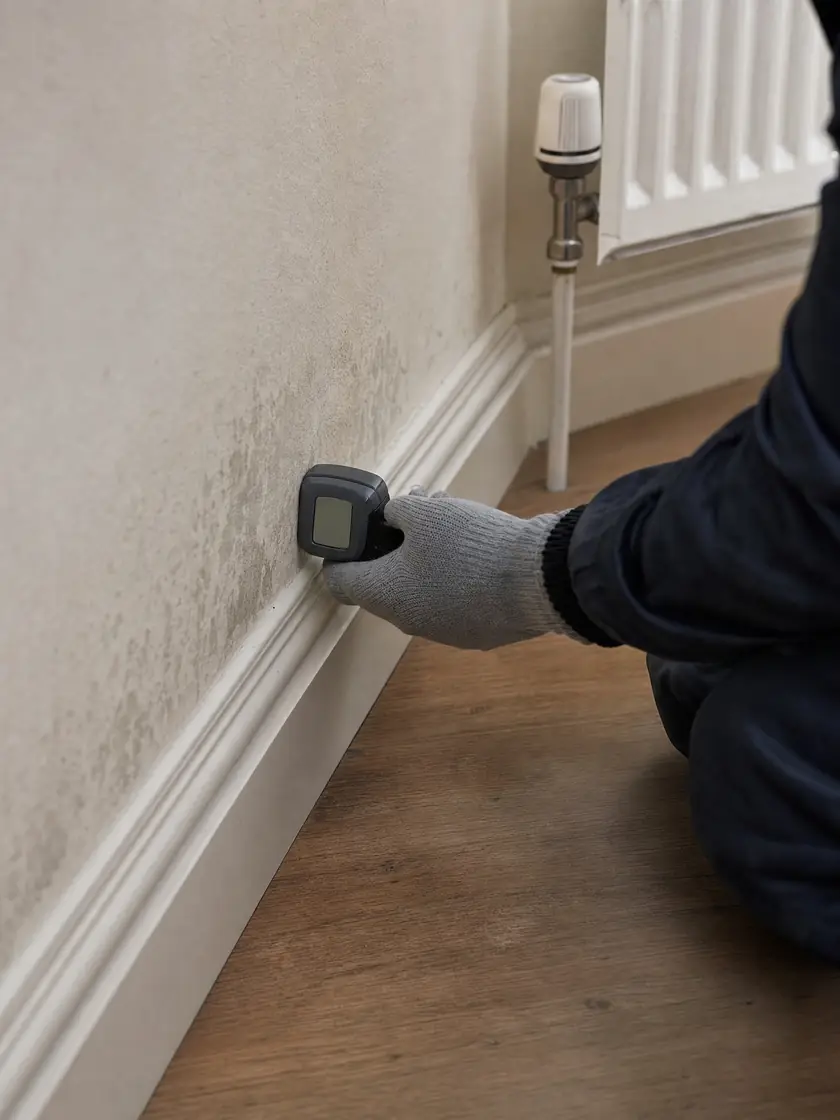
+Our professional mould inspection covers the patches you can see and the places you cannot. We check behind surfaces and furniture for hidden growth. We also look at heating, poor ventilation and signs of leaks.
A thorough inspection helps identify the underlying causes of mould. It also shows how much damage the mould caused and which materials are affected. Our team looks for the underlying moisture problem behind every patch, so you get a clear plan before any work starts.
How Does a Moisture Assessment Find the Root Cause?
+A moisture assessment measures how wet your walls, ceilings and floors really are. We also check the humidity in the air. The readings show whether the underlying moisture source is a leak, damp in the walls or everyday condensation.
Excess moisture leaves a pattern. Wet readings low on a wall point to rising damp, while a wet patch under the roof points to penetrating damp. Once we find the root cause, we tell you what to fix and which affected areas we will treat.
 Inspection
What Does Our Professional Mould Remediation Process Involve?
Mould remediation means the controlled removal of mould-affected materials, then fixing the conditions that let it grow. It goes further than mould cleaning, and good mould remediation covers the cause, not just the stain. Here is how a typical job runs.
- We inspect the property and run a moisture assessment.
- We set up professional containment so mould spores stay put.
- We remove mould and any badly damaged materials.
- We treat the surfaces and dry the structure.
- We apply a protective barrier and talk you through prevention.
How Do We Contain and Remove the Mould Safely?
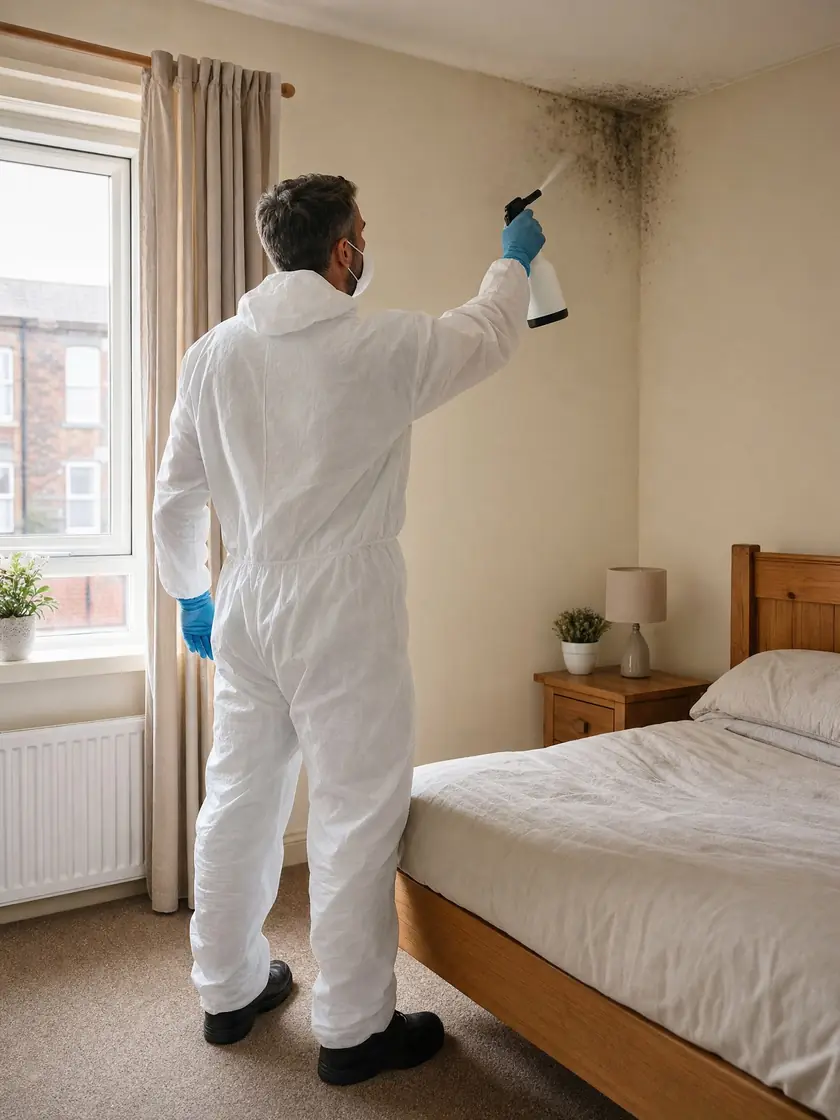
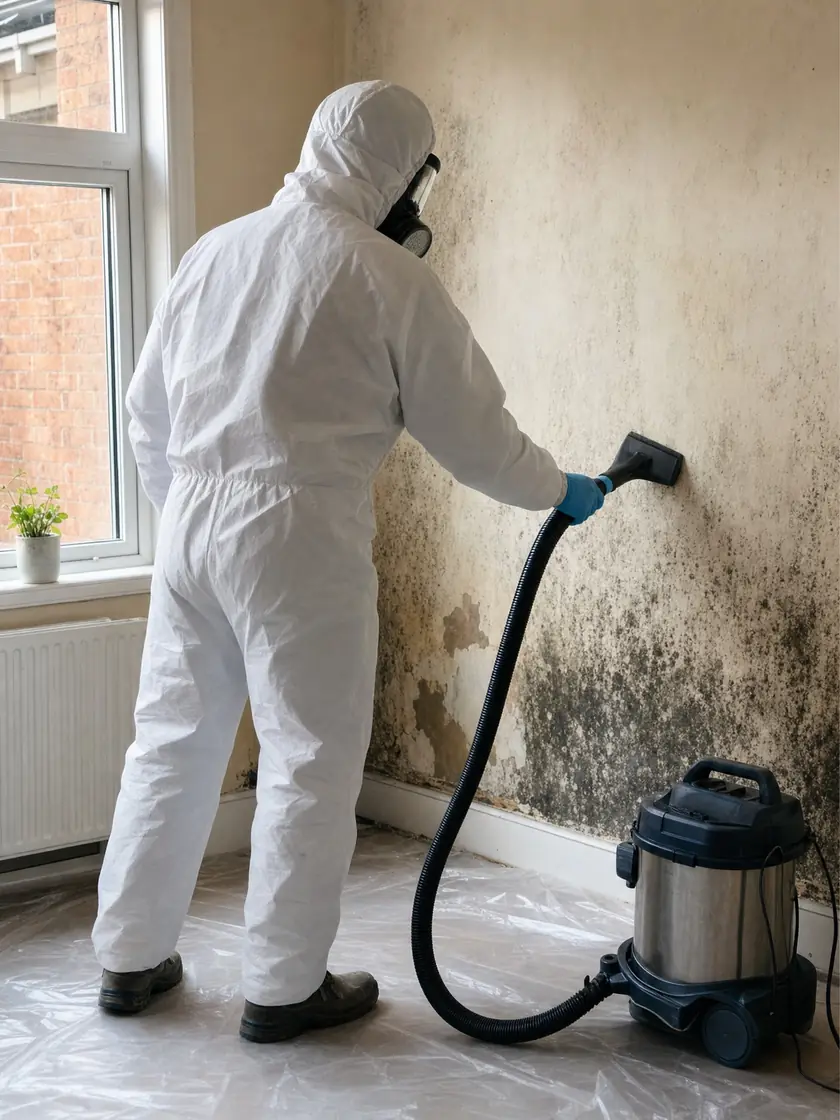
+We seal off the work area, and HEPA air scrubbers filter airborne spores while we work. We use specialist equipment and full protective gear, and black mould removal in a bedroom gets the same sealed set-up. We keep mould removal safe for you and your family.
Light growth gets professional treatment on the surface. Our team will remove mould from walls, ceilings and sealant, and badly damaged plaster or boards come out in sealed bags. Every one of the affected surfaces is treated safely before we move on.
How Do We Treat Surfaces and Dry Your Property?
+Our professional treatments penetrate 3 to 5 mm into plaster to kill mould where it roots. Industrial dehumidifiers then dry the structure. Dry walls stop new mould growth, because spores need damp conditions to spread.
With the mould removed, we apply a protective barrier to the affected areas. We can also advise on anti mould paint for bathrooms and bedrooms. The barrier slows new growth while you fix ventilation.
How Long Does Mould Removal Take?
+The mould removal process typically takes one to five days. A small bathroom sits at the quick end. A whole house with hidden mould behind several rooms sits at the long end.
 Remediation
How Much Does Mould Removal Cost?
Here are our rough prices for professional mould removal, based on recent projects across Merseyside. Every property is different, so treat these as a starting point.
- Single room: £220 to £400
- Whole property: £725 to £1,200
- Roof and attic: £300 to £650
- Professional mould inspection: £150 to £300
- Labour for large rooms: £200 to £250
The price of mould remediation depends on how much damage the mould caused, how easy it is to reach and which materials are affected. Black mould inside plaster costs more than visible growth on a painted ceiling. The inspection cost is small next to repeat visits or costly repairs later.
These prices are a rough guide, and the actual cost varies from job to job. Please use our contact form and we will give you an accurate quote.
What Are Landlords Responsible for When Mould Appears?
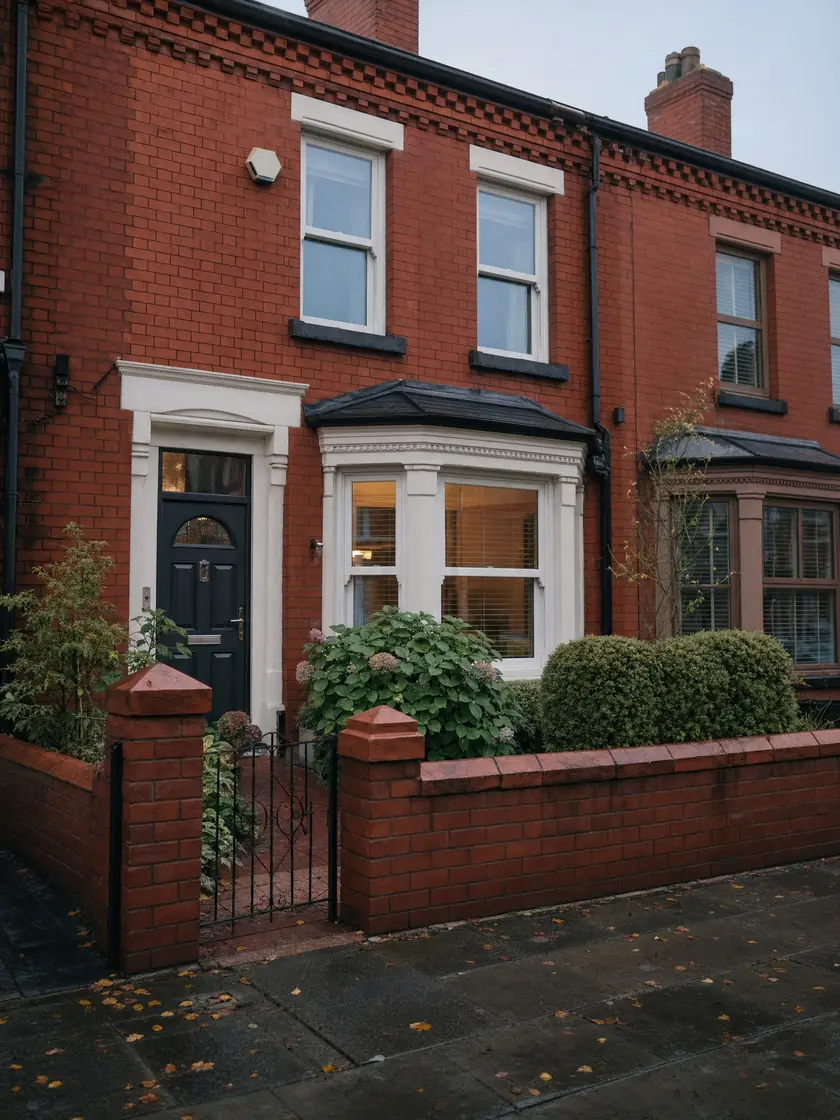
In most rented homes, the landlord is responsible when mould comes from a repair problem. That includes leaks, rising damp, poor ventilation and damp getting through the walls. This is general information, not legal advice.
What Does the Law Say Landlords Must Fix?
+Under section 11 of the Landlord and Tenant Act 1985, landlords must keep the structure and outside of the home in repair. That covers roofs, gutters, drains, external pipes and the water supply. The Homes (Fitness for Human Habitation) Act 2018 adds a duty to keep the home fit to live in for the whole tenancy.
Councils can also act under the Housing Act 2004 when damp and mould put health at risk. In England, 142,000 households had a Category 1 damp and mould hazard in 2024 to 2025. That is the most serious level.
Awaab's Law already sets fixed deadlines for social landlords in England. The government plans to bring similar rules to private rented homes. In a 2024 survey, 26% of landlords said they had found damp or mould in at least one property during the year.
What Should Tenants Do, and How Do We Help Landlords and Tenants?
+Tenants should heat and air the home, then report mould to the landlord in writing with photos. Landlords should act fast, because mould can grow within days and cause health issues. We cannot give legal advice, but we explain the cause in plain words so you can show it to a landlord, agent or council.
Landlords use our professional mould removal service to clear a property before a new tenancy or to deal with a complaint. We remove mould and point out the repair that stops it returning. That protects your tenants and keeps you on the right side of the rules.
 Landlord duties
How Do We Help Stop Mould Coming Back for Good?
Mould prevention is part of every professional mould removal job. Removal gives you a clean start, and moisture control helps prevent mould from coming back.
Which Mould Prevention Steps Do We Recommend?
+We look at ventilation first. Extractor fans, trickle vents and open windows move moist air out of the home. Good condensation control also means steady heating, so walls and windows do not turn into cold surfaces.
We may suggest fixing a leak or sealing gaps round window frames. Tackling damp at the source costs less than cleaning again and again. Excessive moisture from drying washing indoors is a common culprit.
Each step helps prevent mould and prevent future growth. Better moisture control and airflow will also improve indoor air quality, and that helps everyone breathe easier. Our aim is to ensure mould stays away.
Is Our Mould Removal Safe for Children, Pets and Vulnerable People?
+Yes. We seal the work area, filter the air and clean up before we leave. Children, pets and older people should stay out of the work area while we work.
Tell us if anyone at home has weakened immune systems, asthma or another health condition, and we will plan the visit around them. We will also tell you when it is safe to return to the room.
 Stop it returning
Get Your Free Mould Removal Quote From No Mess Too Much Today
If you can see black mould, smell it or just suspect it, do not wait. Mould spreads, and the repair bill grows with it. Tell us about your property through our contact form, and No Mess Too Much will arrange your free quote.
Whether you live in Liverpool, Wirral, Sefton, Knowsley or St Helens, our specialist cleaning company will come to you. Our professional service starts with a plain explanation of what is wrong, what it costs and how we fix it. Send your message today and get rid of mould for good.
 Free quote
Questions about mould removal
Straight answers from the people who do the work.
How much does mould removal cost?
Mould removal costs roughly £220 to £400 for a single room and £725 to £1,200 for a whole property. These prices are a rough guide and the actual cost varies with the damage, access and materials affected. Send us a message through our contact form and we will arrange an accurate free quote.
How long does mould removal take?
Mould removal typically takes one to five days. A small bathroom is at the quick end, while a whole house with hidden mould behind several rooms is at the long end. We confirm the timescale before any work starts.
Why does mould keep coming back after you clean it?
Mould keeps coming back after you clean it because the underlying moisture problem is still there. Spores sit inside plaster, grout and timber, so bleach and surface cleaning only remove what you can see. We find the cause first, remove the mould and apply a protective barrier.
Is black mould dangerous to your health?
Black mould can be dangerous to your health because it can produce mycotoxins that irritate the airways. It can worsen asthma and trigger allergic reactions, and children and people with weakened immune systems are affected most. If anyone feels unwell, speak to your GP.
Who is responsible for mould in a rented home, the landlord or the tenant?
The landlord is usually responsible for mould in a rented home when it comes from a repair problem such as leaks, rising damp or poor ventilation. This is general information, not legal advice. Tenants should report mould to the landlord in writing with photos, and we explain the cause in plain words so you can show it to a landlord, agent or council.
Where do you offer mould removal in Merseyside?
We offer mould removal in Merseyside across Liverpool, Wirral, Sefton, Knowsley and St Helens. Our mould removal service covers terraced houses, semi-detached homes, flats and period properties. Send us a message through our contact form and we will arrange your free quote.
Other restoration work we do
Ready when you are
Tell us what you are dealing with. A real person answers, a clear price follows, and the job is done quietly.
No Mess Too Much · 0151 380 0783 · Mould Removal across Liverpool, Wirral, Sefton, Knowsley and St Helens